
KoreaTechToday - Korea's Leading Tech and Startup Media Platform
  • Topics
    • Naver
    • Kakao
    • Nexon
    • Netmarble
    • NCsoft
    • Samsung
    • Hyundai
    • SKT
    • LG
    • KT
    • Retail
    • Startup
    • Blockchain
    • government
  • Lists
KoreaTechToday - Korea's Leading Tech and Startup Media Platform
  • Topics
    • Naver
    • Kakao
    • Nexon
    • Netmarble
    • NCsoft
    • Samsung
    • Hyundai
    • SKT
    • LG
    • KT
    • Retail
    • Startup
    • Blockchain
    • government
  • Lists
KoreaTechToday - Korea's Leading Tech and Startup Media Platform
No Result
View All Result
Home South Korea

SpaceX Launches Koreasat-6A Satellite, Boosting South Korea’s Communication Capabilities

Eun by Eun
PUBLISHED: November 12, 2024 UPDATED: December 1, 2024
in South Korea, Tech Industry
0
SpaceX Launches Koreasat-6A Satellite, Boosting South Korea’s Communication Capabilities

Image credits: SpaceX

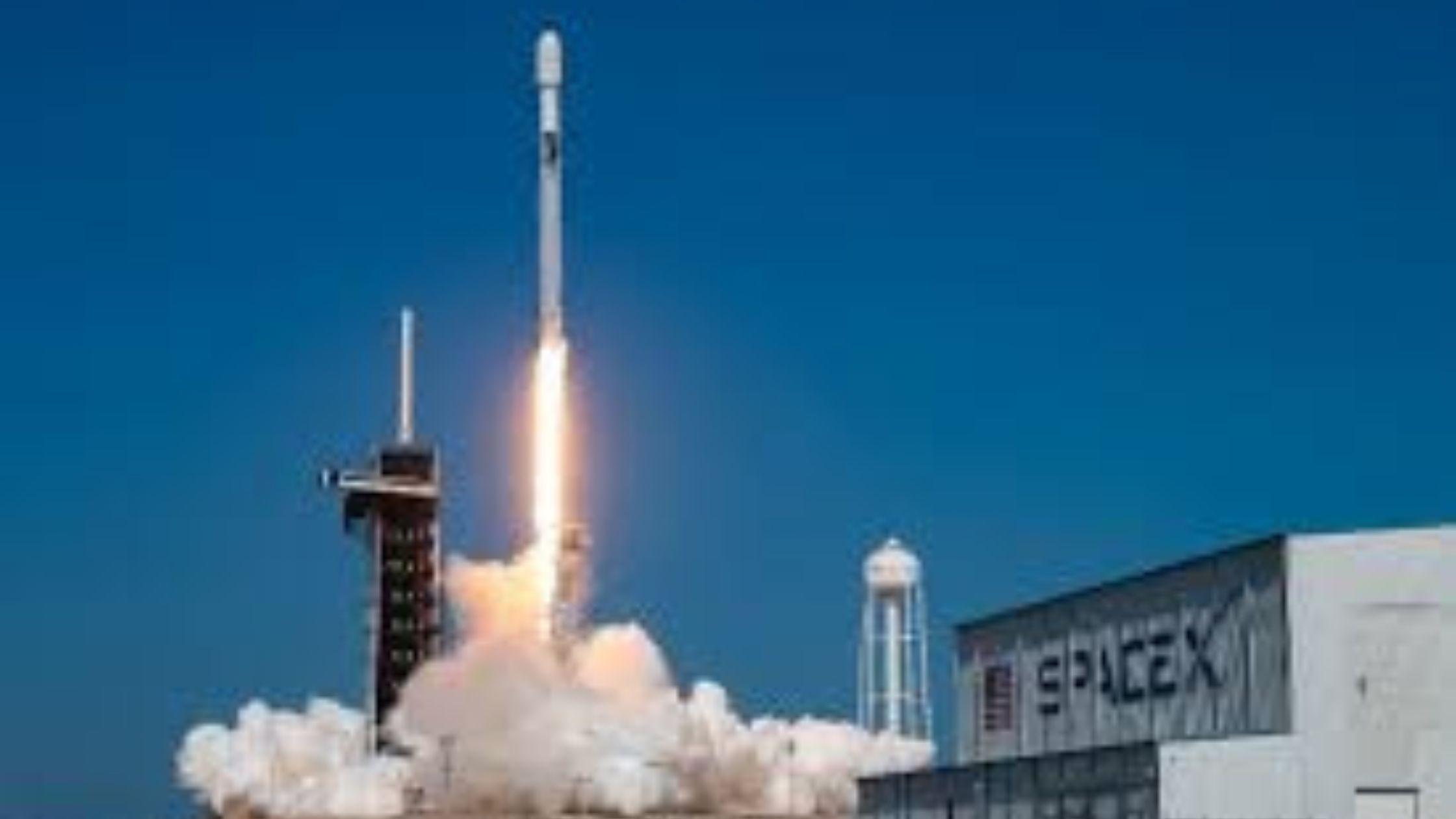
On November 11, 2023, SpaceX’s Falcon 9 rocket successfully carried the Koreasat-6A communication satellite into orbit. The launch took place at the Cape Canaveral Space Force Station in Florida. Developed for KT SAT, South Korea’s leading satellite communications provider, Koreasat-6A is designed to deliver broadcast and fixed satellite services across the nation.

This launch represents KT SAT’s first new satellite in nearly seven years, following the launches of Mugunghwa satellites 5A and 7 in 2017.

As the prime contractor, Thales Alenia Space handled the satellite’s design, construction, integration, and testing. The company will also manage the satellite’s positioning and in-orbit operations during its 15-year service life, providing ongoing operational support.

About eight minutes into the flight, the Falcon 9’s booster successfully landed back at Cape Canaveral’s Landing Zone 1, while the rocket’s upper stage continued its journey to deploy the satellite into a geosynchronous transfer orbit. The Koreasat-6A satellite separated from the rocket approximately 35 minutes after launch. It will replace the Koreasat-6 satellite and provide fixed and broadcast satellite services across South Korea.

Koreasat-6A was designed to enhance South Korea’s satellite communication capabilities. The satellite is built on Thales Alenia Space’s Spacebus 4000B2 platform, with six broadcast transponders and 20 fixed satellite service (FSS) transponders. It will also improve the Korea Augmentation Satellite System (KASS) by correcting GPS location errors in real time to improve navigation accuracy. 

The system will be critical for air navigation, especially for the safe takeoff and landing of aircraft. The satellite is expected to reach its service orbit within a month, with official operations set to begin in the first quarter of 2024. The service will eventually expand to benefit overland transportation, shipping, and location-based services.

South Korea’s satellite operator, KT SAT, will manage the Koreasat-6A for its expected 15-year lifespan. It will utilize its self-developed satellite monitoring system, KOSMOS, for in-orbit testing, which will be completed by the end of 2023. 

The launch of Koreasat-6A marks an important milestone for KT SAT, which owns and operates all of South Korea’s geostationary communication satellites. The satellite is the fifth in KT SAT’s fleet and follows the launches of Koreasat-5A and Koreasat-7 in 2017. 

KT SAT provides satellite communication services across Asia, the Middle East, and Africa. The company has been working to expand its reach as a multi-orbit satellite provider. While its geostationary satellites, such as Koreasat-6A, offer stable communication services from an altitude of 35,000 kilometers, their data transmission speeds are slower compared to Starlink’s low Earth orbit (LEO) satellites, which operate at much lower altitudes of 330-570 km. Although Starlink’s coverage is smaller, it offers faster data speeds at a significantly lower monthly service fee.

KT SAT’s advanced satellite monitoring system, KOSMOS, supports big data analysis to detect and address potential satellite malfunctions promptly. This system ensures stable communication services for KT SAT’s domestic customers, including military, government, and broadcasters. KT SAT CEO Seo Young-soo highlighted that the Koreasat-6A launch strengthens the company’s geostationary service capabilities, and he expressed plans to integrate this with future low Earth orbit satellite services to enhance its competitive edge in the satellite business.


Tags: KTSouth KoreaspaceX

Related Posts

Seoul to Establish AI Government Bureau to Lead Public Sector Digital Transformation
AI

Seoul to Establish AI Government Bureau to Lead Public Sector Digital Transformation

November 8, 2025
Hyundai Motor Group and Singapore EDB Partner to Accelerate Low-Carbon Technologies and Hydrogen Innovation
Hyundai

Hyundai Motor Group and Singapore EDB Partner to Accelerate Low-Carbon Technologies and Hydrogen Innovation

November 4, 2025
The Real AI Bottleneck: Why South Korea’s Power Grid Could Decide Its AI Future
AI

The Real AI Bottleneck: Why South Korea’s Power Grid Could Decide Its AI Future

November 1, 2025
NVIDIA Deepens Partnership with South Korea to Build Global AI Powerhouse
South Korea

NVIDIA Deepens Partnership with South Korea to Build Global AI Powerhouse

November 1, 2025
Supply Chain 2.0: How U.S.–Korea Trade Shifts Are Building a Resilient Tech Ecosystem
AI

Supply Chain 2.0: How U.S.–Korea Trade Shifts Are Building a Resilient Tech Ecosystem

October 31, 2025
Korea’s APEC Digital & AI Forum Highlights Asia’s Push for Responsible Tech Leadership
South Korea

Korea’s APEC Digital & AI Forum Highlights Asia’s Push for Responsible Tech Leadership

October 24, 2025
No Result
View All Result

Most Popular

  • Seoul to Establish AI Government Bureau to Lead Public Sector Digital Transformation

    0 shares
    Share 0 Tweet 0
  • AI-Powered Dejaview: Predicting Crime Before It Happens in South Korea

    0 shares
    Share 0 Tweet 0
  • Naver to Invest Over $690 Million in GPUs from 2025 to Boost Physical AI Ambitions

    0 shares
    Share 0 Tweet 0
  • Kakao Integrates ChatGPT Into KakaoTalk, Redefining Everyday Messaging With AI

    0 shares
    Share 0 Tweet 0
  • Korea’s Navigation Battle Heats Up: Naver and Kakao vs. Google maps

    0 shares
    Share 0 Tweet 0
  • Samsung SDI in Talks with Tesla to Supply Energy Storage Batteries Worth $2.1 Billion

    0 shares
    Share 0 Tweet 0

PRODUCTS

[ads_amazon]

TOPICS

  • Naver
  • Kakao
  • Nexon
  • Netmarble
  • NCsoft
  • Samsung
  • Hyundai

FREE NEWSLETTER

FOLLOW US

  • About Us
  • Cookie policy
  • home
  • homepage
  • mainhome
  • Our Services
  • Privacy Policy
  • Terms of Use

Copyright © 2024 KoreaTechToday | About Us | Terms of Use |Privacy Policy |Cookie Policy| Contact : [email protected] |

No Result
View All Result
  • Topics
    • Naver
    • Kakao
    • Nexon
    • Netmarble
    • NCsoft
    • Samsung
    • Hyundai
    • SKT
    • LG
    • KT
    • Retail
    • Startup
    • Blockchain
    • government
  • Lists

Copyright © 2024 KoreaTechToday | About Us | Terms of Use |Privacy Policy |Cookie Policy| Contact : [email protected] |