
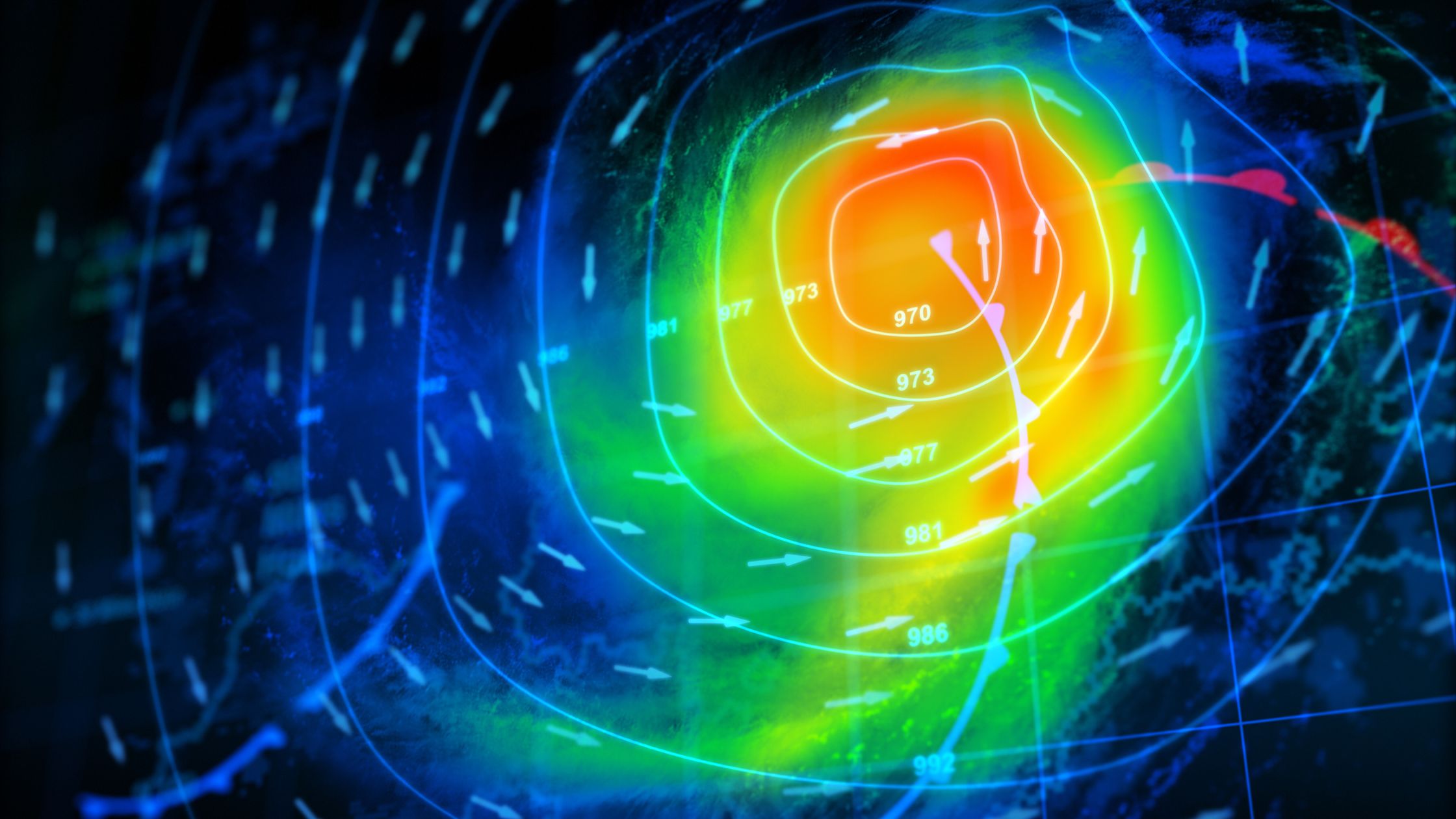
The collaboration aims to transform trusted meteorological data into financial infrastructure, enabling blockchain-based climate insurance, weather derivatives, and decentralized weather data networks as South Korea strengthens its position in climate technology.
South Korean weather data company Kweather has signed a Letter of Intent (LOI) with blockchain network Flare to pilot publishing meteorological data on-chain through Flare’s oracle infrastructure. The initiative aims to make weather observations independently verifiable while exploring new financial applications including parametric climate insurance, weather derivatives, and tokenized weather infrastructure.
While blockchain has frequently been associated with digital assets, the partnership reflects a broader effort to establish trusted, tamper-resistant data infrastructure capable of supporting real-world financial services built around climate risk.
Moving Beyond Weather Forecasting
Kweather has built its business by providing weather forecasting, climate analytics, and meteorological data services to enterprises and public institutions across South Korea. Through the partnership, the company intends to expand the commercial value of its weather data by making it available as trusted infrastructure for blockchain-based financial applications.
Under the agreement, Kweather’s meteorological datasets, including temperature, rainfall, and other climate variables, will be published through the Flare Time Series Oracle (FTSO). Flare’s decentralized verification infrastructure is designed to ensure that weather observations remain independently verifiable and resistant to tampering from the moment they are recorded.
The companies believe this will allow financial institutions and climate-sensitive industries to rely on weather data as an immutable reference point when developing blockchain-based financial products.
Among the initial areas of collaboration are parametric climate insurance, where payouts are triggered automatically once predefined weather conditions are met, and weather derivatives, which enable businesses to hedge against weather-related operational risks across sectors including agriculture, logistics, transportation, and energy.
The partnership also plans to explore combining Kweather’s weather monitoring infrastructure with blockchain technology to establish a Decentralized Physical Infrastructure Network (DePIN), while evaluating opportunities to tokenize revenue generated from weather data services as Real World Assets (RWAs).
Weather Data Is Becoming Financial Infrastructure
The partnership reflects a broader evolution taking place within climate technology. Historically, weather information has primarily served forecasting and operational planning. Increasingly, however, trusted meteorological data is becoming the foundation for financial products designed to manage climate-related risks.
Unlike conventional insurance, which typically requires manual claims assessment following an event, parametric insurance uses predefined environmental thresholds such as rainfall, drought, heatwaves, or extreme temperatures to automatically trigger payouts. This approach reduces settlement time while providing greater transparency for policyholders.
The effectiveness of such products, however, depends heavily on trusted reference data.
Commenting on the collaboration, Dong-sik Kim, CEO of Kweather, said the company views blockchain as an opportunity to fundamentally expand the role of weather data beyond forecasting.
“By merging meteorological data with blockchain infrastructure, we are transforming weather metrics into highly trustworthy on-chain data. By proactively introducing financial products that manage climate risks, we aim to expand the meteorological industry market and set a new global standard.”
A New Business Model for Climate Data
While conversing with KoreaTechToday, Kim explained that publishing weather observations on-chain represents a significant transformation in how Kweather intends to commercialize its data assets.
“Recording weather data on-chain marks a fundamental paradigm shift for Kweather, transforming us from a traditional ‘Data Provider’ into a ‘Global Climate Infrastructure & Finance Platform.’ The most significant transformation lies in bringing absolute immutability and transparency to our data. This enables our business model to expand into highly innovative revenue streams.
Climate Finance and Parametric Insurance: On-chain weather data serves as a critical oracle for climate derivatives and parametric insurance, triggering immediate, transparent executions via smart contracts. This offers pioneering hedging tools for global enterprises and agricultural sectors exposed to volatile climate risks.
DePIN (Decentralized Physical Infrastructure Network) Ecosystem: Our vision includes a tokenized infrastructure model where users are directly incentivized to collect and contribute weather data. This will not only scale our observation network to an unprecedented degree but also integrate the data licensing market into the Web3 ecosystem, generating substantial new value.”
His comments illustrate how Kweather sees trusted weather information evolving from a standalone data service into infrastructure supporting financial products, decentralized data networks, and new licensing models.
Climate Technology Meets Blockchain Infrastructure
For Flare, the collaboration demonstrates how blockchain infrastructure can be applied beyond digital assets by supporting real-world datasets that require high levels of integrity and transparency.
The company’s infrastructure includes the Flare Time Series Oracle, which delivers decentralized data feeds to smart contracts, and the Flare Data Connector, which verifies external events and Web2 data sources before making them accessible on-chain.
According to Hugo Philion, Co-founder and CEO of Flare, Kweather represents an ideal partner for demonstrating the commercial viability of weather finance.
“Kweather is the perfect partner that aligns with Flare’s data-centric blockchain ecosystem. We will rapidly advance our technical implementation to demonstrate the viability of the weather finance market.”
For Kweather, the collaboration also reflects South Korea’s broader strengths in environmental monitoring, digital infrastructure, and applied technology. As climate-related financial products continue to evolve, trusted weather data is expected to become increasingly important for insurers, financial institutions, and enterprises managing climate exposure.
Positioning South Korea in Climate Finance Innovation
South Korea has steadily expanded investments in climate resilience, smart infrastructure, and digital transformation, creating opportunities for domestic technology companies to develop new applications beyond their traditional markets.
Kweather’s move illustrates how Korean companies are increasingly combining established expertise in environmental data with emerging technologies to address global challenges. Rather than viewing weather information solely as a forecasting service, the company is positioning meteorological data as a foundational layer for financial infrastructure capable of supporting automated risk management, climate-linked financial products, and decentralized digital ecosystems.
Kweather’s partnership with Flare highlights an important shift in the commercialization of weather data. As climate risks become more measurable and financially significant, the value of meteorological information increasingly depends not only on its accuracy but also on its transparency, integrity, and ability to support automated financial decision-making.
While the initiative remains at the pilot stage, it demonstrates how South Korean technology companies are expanding beyond conventional data services into emerging areas such as climate finance and decentralized infrastructure. If successful, the collaboration could help establish new models for how trusted environmental data supports financial innovation, positioning South Korea at the intersection of climate technology, fintech, and blockchain-enabled infrastructure.