

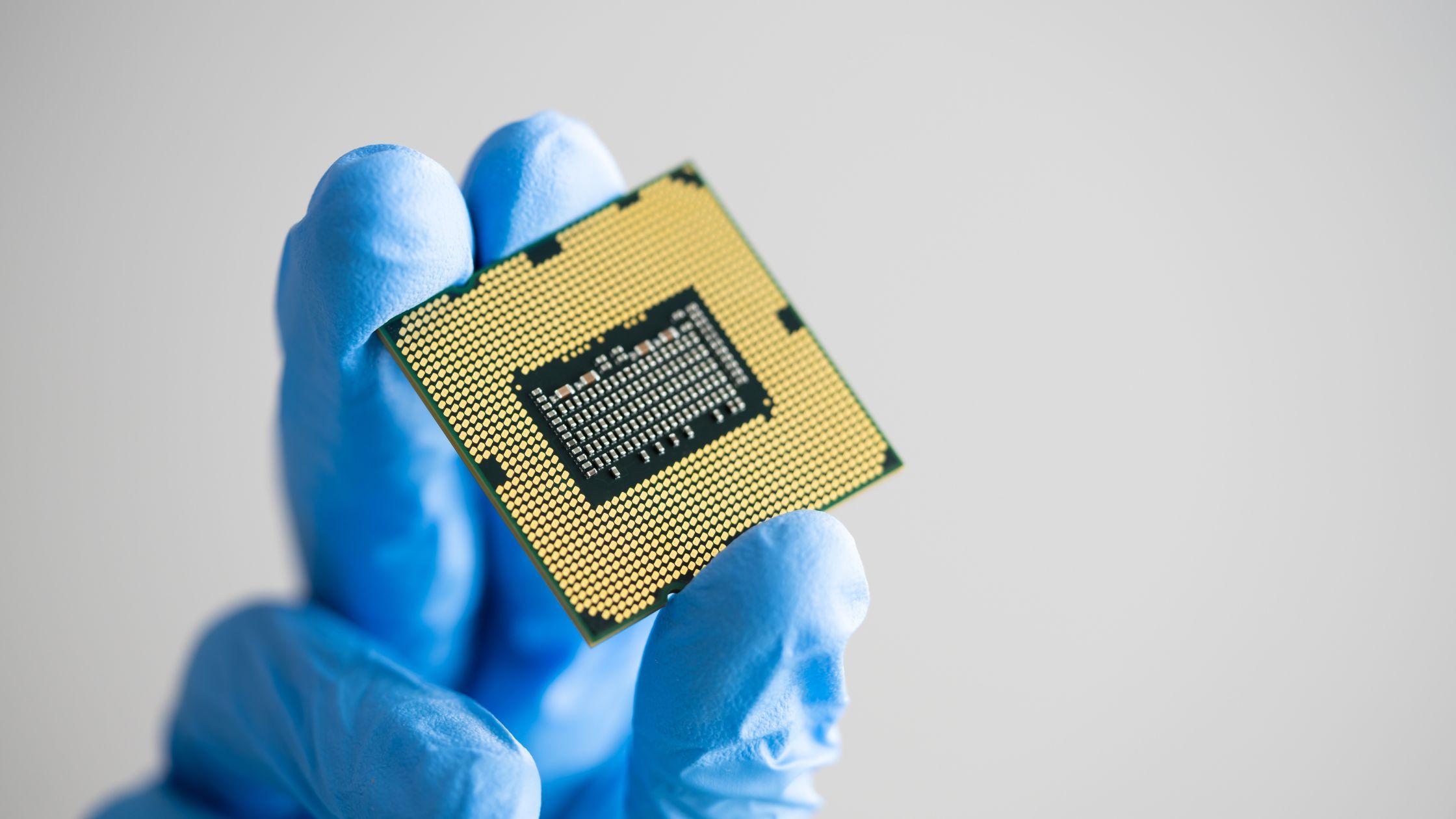
The South Korean government has announced a series of measures to strengthen the domestic semiconductor ecosystem to address the national semiconductor crisis
The Ministry of Economy and Finance revealed on November 27 that it will expand tax incentives for private research and development, as well as for investments in semiconductor infrastructure. This includes support for semiconductor clusters in Yongin and Pyeongtaek, aiming to ease the corporate burden and strengthen the sector’s growth amid fierce global competition.
In addition, the government will allocate 14 trillion won ($10 billion) in low-interest loans in 2025 to further support the semiconductor industry. State-run banks will manage these loans, with 1.8 trillion won allocated to finance the development of new semiconductor manufacturing facilities and complex electrical transmission lines.
This includes a new package of low-interest loans to support semiconductor production, with the Korea Development Bank (KDB) overseeing a 4.25 trillion won fund offering reduced interest rates. Despite concerns about insufficient direct subsidies compared to competitors like the US and Japan, officials maintain that the government’s approach, which includes tax incentives and loan programs, provides adequate support for the sector.
South Korea will expand tax credits for R&D and facility investments in semiconductor production, focusing on attracting foreign talent and building advanced capabilities in the industry.
The government also plans to offer incentives for top faculty at South Korea’s leading science and technology institutes to support innovation. The investment in infrastructure will not only help build a chipmaking cluster but also make South Korea an attractive destination for chip equipment and fabless companies. T
However, critics argue that the new measures do not go far enough. They contend that South Korea’s funding package, while substantial, falls short of the direct subsidies and manufacturing incentives offered by countries such as the US, which has committed 73 trillion won through the CHIPS Act, and Japan, which has allocated 15 trillion won for semiconductor manufacturing.
Some experts have voiced concerns that South Korea risks losing ground in the fiercely competitive semiconductor market without direct government investment. The government has defended its cautious approach, emphasizing that the expanded tax credits and low-interest loans will drive private investment and support the sector’s long-term growth.
In addition to the financial support, South Korea’s government has secured agreements with major semiconductor players, including Samsung Electronics and SK Hynix, to provide essential resources for the Yongin chipmaking cluster.
Under the agreement, 3 gigawatts of electricity will be allocated to the complex and surrounding industrial areas by 2030, with water supply expected by 2031. This infrastructure development is vital to ensuring the long-term success of the cluster, which is set to become the world’s largest high-tech semiconductor hub.
The new cluster is expected to attract leading chip equipment manufacturers and fabless companies, further strengthening South Korea’s position in the global semiconductor market.
While these measures have been met with cautious optimism, there are still challenges ahead. The ongoing discussions in the National Assembly over a special semiconductor law have faced delays, with proposed exemptions for research and development workers from the 52-hour workweek law encountering opposition.
Meanwhile, the government continues to monitor global shifts in trade and industry, particularly with the upcoming changes under the US administration. As global trade policies evolve, including potential tariffs from the US on goods from China, South Korea’s government is committed to leveraging all available resources to support its semiconductor industry in overcoming these challenges and achieving future growth.