
The South Korean government announced a new safety plan on Friday to address concerns over sudden fires in electric vehicles (EVs). As part of this initiative, the government will conduct pre-emptive safety checks on EV batteries and mandate that manufacturers disclose more detailed information about their battery brands, including the manufacturer’s name and key components, Yonhap reported.
This move comes in response to a recent incident where an EV battery caught fire in an underground parking lot in Incheon. In light of these concerns, carmakers and battery producers in South Korea have pledged to cooperate fully with the newly established government measures to enhance the safety of electric vehicles.
Under the new safety measures, the government will advance the rollout of its EV battery certification system, originally set for February next year, by launching it on a trial basis in October. This initiative will involve prior safety checks on batteries for both domestic and foreign electric vehicles before they are manufactured.
Additionally, EV makers will be required to disclose essential details about their batteries, such as brand and primary components, beyond the current requirements of capacity, rated voltage, and maximum output.
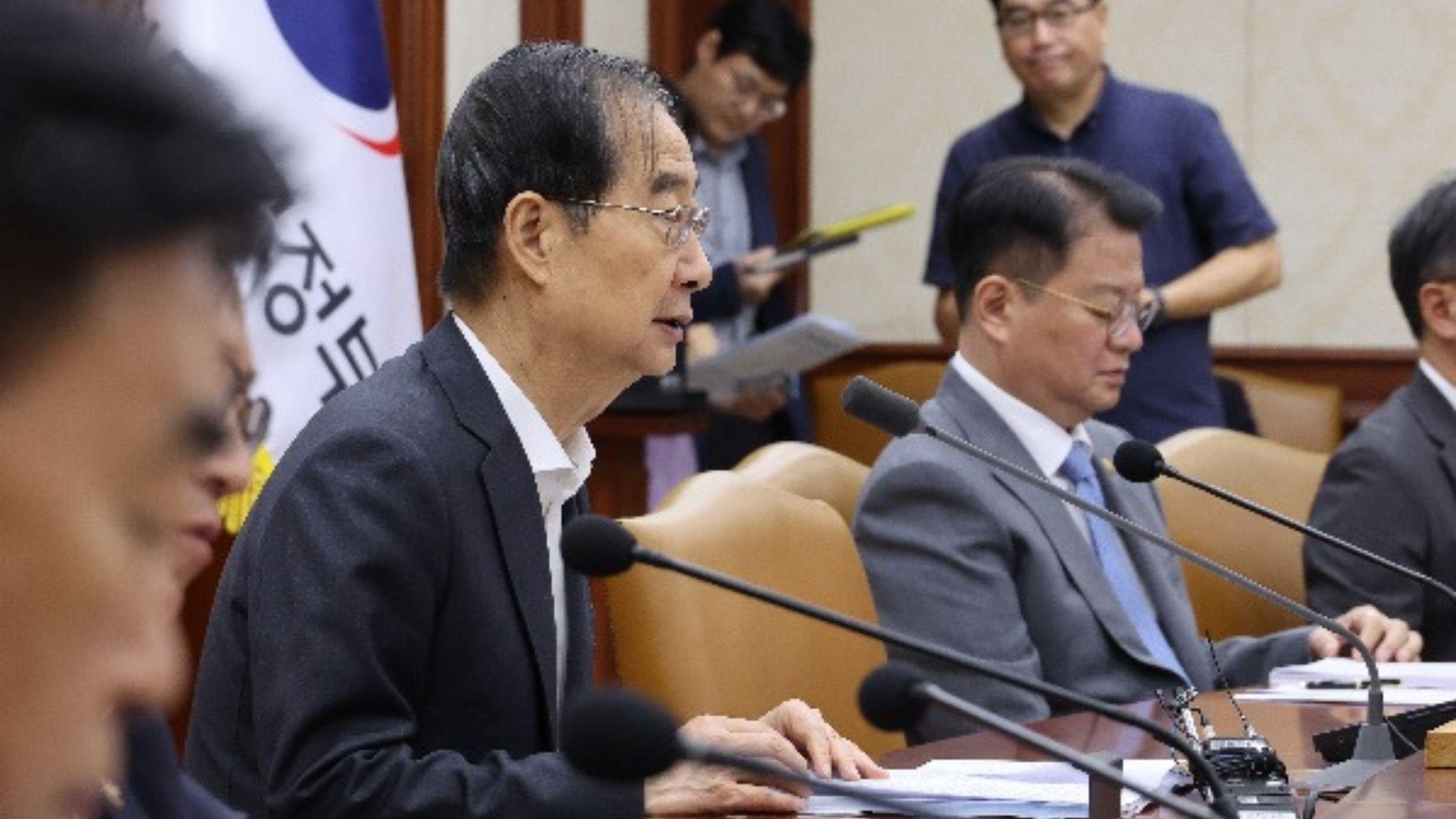
The plan was finalized during a government meeting led by Prime Minister Han Duck-soo following a series of recent fires, including a major incident in Incheon where an EV fire damaged around 140 vehicles in an apartment complex parking lot.
Hyundai Motor Co. and Kia Corp. have announced their full cooperation with these new regulations. They pledge to enhance their EV safety inspection services, expand customer battery diagnostics, and provide updates to their diagnostic functions. They will also offer an annual EV safety inspection service regardless of the vehicle’s warranty period.
Companies like KG Mobility Corp. have expressed their support for the government’s efforts, with initiatives like developing software for smart chargers and compatibility testing to prevent EV fires.
The government will tighten accountability measures for EV manufacturers and charging businesses to ensure greater safety. Companies without liability insurance will be excluded from government subsidies, and new legislation is being considered to make liability insurance mandatory for EV charging businesses.
The Battery Management System (BMS), which detects and issues real-time warnings of battery conditions, will also be updated and promoted for wider use among drivers to identify potential fire risks earlier.
The battery manufacturing industry also actively engages with the government’s new safety measures. Industry officials have stated their readiness to support strengthened safety policies, noting that most existing battery makers have already obtained high-level certifications and should face minimal challenges with the accelerated implementation of the battery safety certification system. They emphasized the need for continuous improvements to the Battery Management System (BMS) without delays.
To further enhance safety, the government will establish criteria within the BMS to assess battery risks and develop a feature to automatically alert firefighting authorities when the risk level reaches a critical point. New buildings with underground parking will be required to install wet sprinkler systems, while those in regions prone to freezing temperatures may opt for pre-action sprinkler systems. Meanwhile, the mandatory expansion of EV parking spaces and charging facilities in existing buildings has been postponed by one year to address public concerns.
Additionally, measures to improve fire response capabilities will include increasing the number of relevant equipment at fire stations across the country. Mobile water tanks will be increased from 297 to 397, and fire blankets from 875 to 1131 by next year. An enforcement ordinance detailing these changes is set for revision by the first half of 2025.
Also Read:
- LG Electronics Showcases ‘Affectionate Intelligence’ with New AI Home Hub at IFA 2024
- LG Uplus and SM Entertainment Partner to Launch AI-Powered K-Pop Idol Nævis
- Samsung Launches Galaxy Quantum 5 with Enhanced Quantum Security for South Korea
- Naver Enters Crypto Market with Naver Pay Wallet in Partnership with Chiliz
- Nokia Dismisses Speculations of Mobile Networks Division Sale to Samsung