
Swiss engineering AI firm expands into South Korea as manufacturers seek production-scale AI deployment across automotive, shipbuilding and semiconductor sectors
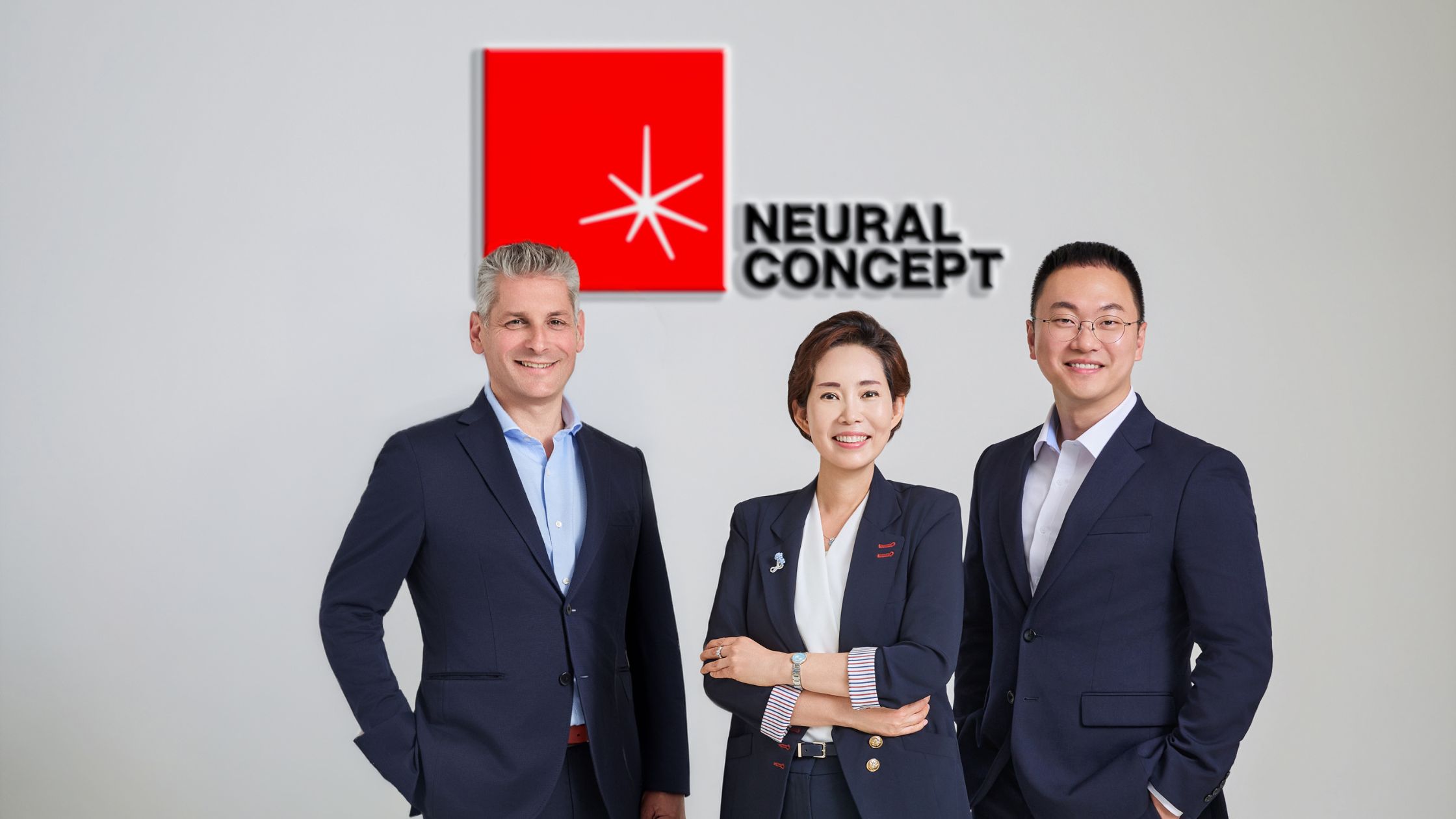
Swiss engineering AI company Neural Concept has opened its first Asia-Pacific office in Seoul, expanding its presence in South Korea as manufacturers increasingly move to integrate artificial intelligence into engineering and product development operations.
The expansion comes as Korean industrial companies face mounting pressure to shorten development cycles, manage rising product complexity and improve manufacturing competitivenfess across sectors including automotive, shipbuilding, semiconductors, electronics and robotics.
South Korea has accelerated manufacturing AI initiatives under its broader Manufacturing AI Transformation, or M.AX, strategy, as policymakers and major industrial groups push to embed AI more deeply into factory operations, engineering systems and industrial supply chains. The government has expanded investment in industrial AI infrastructure, smart factories and AI-driven manufacturing initiatives as part of its broader industrial competitiveness strategy.
Neural Concept’s move into Seoul reflects how Korea is increasingly emerging as a strategic market for engineering-focused AI systems rather than only consumer-facing generative AI applications.
Unlike general-purpose AI assistants, Neural Concept develops physics-aware and geometry-aware AI systems designed to integrate directly into engineering workflows such as computer-aided design, simulation and product validation. The company said its platform is designed to help manufacturers reduce development timelines, improve simulation efficiency and minimize costly late-stage redesigns.
The company already works with global industrial manufacturers including Jaguar Land Rover and General Motors, and is expanding collaborations with Korean manufacturers and suppliers across shipbuilding, automotive and advanced manufacturing sectors.
“South Korea is one of the world’s most advanced manufacturing countries, and it is becoming a defining market for the next generation of engineering,” Pierre Baqué, CEO and founder of Neural Concept, said in the company announcement. “The shift is no longer about experimenting with AI around the edges. It is about embedding Engineering Intelligence into core product development workflows.”
Korea’s Manufacturing Sector Moves Beyond AI Experimentation
The Seoul office opening also highlights a broader transition underway inside Korean industrial enterprises. While many companies spent the last several years experimenting with AI pilot projects, manufacturers are now under pressure to operationalize AI at production scale.
That shift is becoming increasingly important as Korea competes against rising manufacturing automation capabilities in China while also trying to maintain leadership in semiconductors, batteries, shipbuilding and next-generation mobility systems.
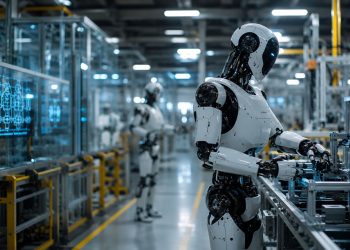
Industry discussions are increasingly focused on AI systems embedded into product design, robotics and manufacturing infrastructure rather than traditional enterprise productivity software. South Korea’s industrial ecosystem places it in a particularly strong position for this category because of its concentration of simulation-intensive industries where engineering delays, validation bottlenecks and redesign costs can carry major commercial consequences.
The Korean government has increasingly framed manufacturing AI as a strategic competitiveness issue. Under the broader M.AX framework, policymakers are supporting AI factories, industrial robotics deployment, sector-specific AI models and manufacturing data infrastructure designed to accelerate AI adoption across industrial sectors.
Neural Concept’s Seoul expansion aligns with that broader industrial transition.
“We see Seoul as a strategic base for one of the world’s most important engineering ecosystems,” said Jiwon Jung, Regional Sales Director for APAC at Neural Concept. “From automotive and electrification to shipbuilding, electronics and semiconductors, Korean manufacturers are setting the pace in industrial innovation.”
AI Integration Becomes Critical Inside Korean Engineering Workflows
One of the biggest challenges for manufacturing AI adoption in Korea involves integration into highly customized engineering ecosystems already built around CAD, simulation, PLM and manufacturing systems.
According to Lee, successful deployment requires AI systems to adapt to existing industrial workflows rather than forcing companies to rebuild engineering environments from scratch.
“Korean engineering organizations are highly capable, process-driven and deeply integrated into complex product development ecosystems,” she said while conversing with KoreaTechToday. “To succeed in this environment, a Western deep-tech platform must become part of the customer’s engineering operating model rather than simply another software tool.”
Lee added that Korean product development environments often involve collaboration across OEMs, Tier 1 suppliers, affiliates and engineering partners throughout the design and validation process.
“In Korea, product development often extends beyond a single organization and involves OEMs, Tier 1 suppliers, affiliates and engineering partners working together throughout the design and validation process,” she said. “Engineering decisions frequently span multiple organizations, so understanding those relationships and decision-making dynamics is critical.”
That complexity partly explains why engineering AI vendors are increasingly emphasizing workflow integration, governance and interoperability rather than standalone AI functionality.
Neural Concept said its architecture is designed to function as an intelligence layer on top of existing engineering systems instead of replacing established workflows entirely.
The company has also expanded its local leadership presence by appointing Lee as Board Advisor to strengthen its Korea and APAC operations. Lee previously held executive leadership positions at IBM Korea and Samsung.
Meanwhile, Hanwha Ocean highlighted growing interest in engineering AI applications within Korea’s shipbuilding sector.
“Neural Concept’s platform demonstrated promising capabilities that could help accelerate our design workflows and make AI adoption far more practical,” said Dongkwon Lee, Senior Vice President of Basic Performance Research Center at Hanwha Ocean.
Korea Emerges as a Strategic Market for Engineering AI
Neural Concept’s Seoul expansion also reflects intensifying competition among global AI firms targeting industrial and engineering applications in Asia.
While much of the global AI boom initially focused on generative AI and enterprise productivity software, manufacturers are increasingly directing spending toward AI systems tied directly to simulation, product design, robotics and industrial automation.
That shift is particularly relevant in South Korea, where manufacturers are attempting to balance rising labor costs, increasing engineering complexity and growing international competition.
South Korea already maintains one of the world’s highest industrial robot densities and remains home to globally competitive semiconductor, automotive and shipbuilding industries. Policymakers increasingly view AI-enabled manufacturing infrastructure as critical to preserving that competitive advantage over the coming decade.
For companies like Neural Concept, Korea represents more than a regional expansion opportunity. Industry observers increasingly view South Korea as a potentially significant testbed for large-scale industrial AI deployment.
As Korean manufacturers move beyond isolated AI experiments and toward operational deployment across engineering teams, the next major battleground in artificial intelligence may increasingly shift from office productivity tools to the industrial systems where physical products are designed, tested and manufactured.