
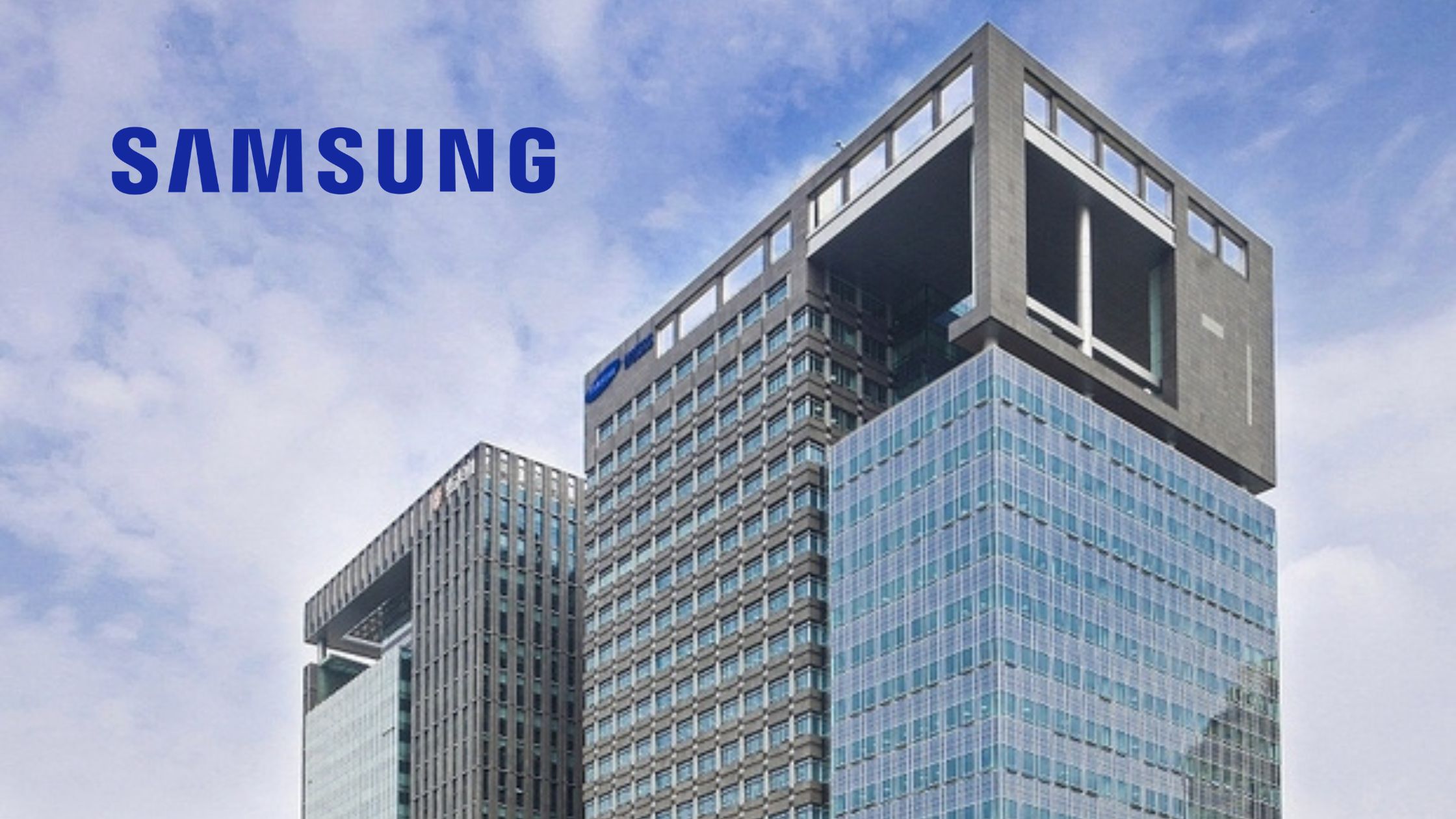
Partnership with OpenAI positions Samsung SDS as a key intermediary for enterprise generative AI adoption in South Korea.
South Korean IT services provider Samsung SDS is expanding the deployment of ChatGPT Enterprise across multiple industries, signaling a broader shift toward operational use of generative AI among Korean enterprises. The company has recently secured several new corporate clients, building on its role as the first official reseller of enterprise ChatGPT services in South Korea through a partnership with OpenAI.
The expansion has shown growing demand from Korean businesses seeking to integrate generative AI into internal workflows, knowledge systems and decision-making processes. Rather than experimenting with public AI tools, companies are increasingly adopting enterprise-grade platforms designed to meet corporate security and compliance requirements.
Enterprise AI Moves Beyond Pilot Projects
According to industry reports, Samsung SDS has signed new agreements with companies including Korea Zinc, TmaxSoft and iCraft. These firms represent a cross-section of sectors such as manufacturing, IT services and enterprise software — suggesting that generative AI adoption is spreading beyond early technology adopters.
Samsung SDS now reportedly supports more than ten corporate customers deploying ChatGPT Enterprise across industries including finance, retail, public services and manufacturing. The diversity of sectors indicates that generative AI is increasingly viewed as a productivity tool applicable across business functions rather than a niche technology for software companies alone.
The deployments typically involve using AI to automate documentation, analyze internal data, generate reports and assist with coding or system development. In many cases, generative AI is integrated into enterprise knowledge management systems or collaboration platforms.
Samsung SDS is positioning itself not only as a reseller of OpenAI technology but as a broader AI transformation partner for corporate clients. The company provides consulting, integration services and infrastructure support to help organizations deploy generative AI in production environments.
This approach reflects a growing recognition that enterprise adoption of generative AI involves more than access to a model. Companies must adapt internal workflows, connect AI systems to existing data sources and establish governance frameworks to ensure responsible use.
Samsung SDS’s capabilities in cloud services and enterprise IT integration allow it to act as a bridge between advanced AI models and large organizations that may lack the internal expertise to implement them independently.
By combining generative AI tools with enterprise consulting, the company is seeking to capture a larger share of the emerging corporate AI services market.
Security and Compliance Driving Enterprise Adoption
One reason companies are turning to ChatGPT Enterprise rather than public AI platforms is the need for stronger security controls. Enterprise deployments typically include safeguards such as data encryption, restricted data usage and internal access management.
Corporate users are particularly cautious about exposing proprietary information to external AI systems. Enterprise platforms address this concern by offering dedicated environments where company data is not used to train public models.
For sectors such as finance, manufacturing and government services, these protections are essential to meeting regulatory and operational requirements.
Samsung SDS has emphasized that enterprise AI deployments must meet strict security standards, especially when they are integrated with internal databases or mission-critical business systems.
Growing Role of Generative AI in Corporate Operations
The expansion of ChatGPT Enterprise contracts highlights a broader shift in how companies approach generative AI. Early experimentation often focused on productivity tools for individuals, such as AI-assisted writing or coding. The current wave of adoption is moving toward organization-wide deployment.
This transition is being driven by several factors:
- Increasing familiarity with generative AI among corporate users
- Improvements in model capabilities and enterprise features
- Competitive pressure to improve productivity and automate knowledge work
As generative AI becomes embedded in daily operations, companies are beginning to view it as part of their digital transformation strategies rather than a standalone technology experiment.
Korea’s Enterprise AI Market Takes Shape
The rise of enterprise AI services also reflects broader developments in South Korea’s technology sector. The country has strong capabilities in semiconductors, telecommunications and enterprise IT infrastructure, but it has traditionally relied on global technology platforms for advanced AI models.
By partnering with OpenAI, Samsung SDS is effectively positioning itself as a domestic gateway for global AI technologies. This strategy allows Korean companies to access cutting-edge models while working with a local integration partner familiar with domestic regulatory and enterprise environments.
At the same time, Korean technology companies — including internet platforms and telecom operators — are investing heavily in their own AI models and services. The result is an increasingly layered ecosystem where domestic firms integrate global AI platforms while continuing to develop local capabilities.
Implications for the AI Services Market
For Samsung SDS, expanding ChatGPT Enterprise deployments represents an opportunity to strengthen its role in the evolving AI services landscape. As generative AI becomes embedded in enterprise software and workflows, the demand for integration, consulting and infrastructure support is expected to grow.
Industry analysts note that enterprise AI adoption typically follows a multi-stage process: experimentation, pilot deployment and full operational integration. Many Korean companies appear to be entering the second stage, where AI systems are deployed in specific departments or business processes.
The pace at which these deployments scale across organizations will likely determine the next phase of enterprise AI adoption in the country.
From Experimentation to Infrastructure
The growing number of ChatGPT Enterprise contracts suggests that generative AI is moving from the experimental phase toward becoming part of enterprise technology infrastructure. For companies like Samsung SDS, this shift represents a significant opportunity to expand beyond traditional IT outsourcing into AI-driven digital transformation services.
As Korean firms increasingly seek to automate knowledge work and enhance data-driven decision making, enterprise AI platforms may become as central to corporate IT strategies as cloud computing was in the previous decade.
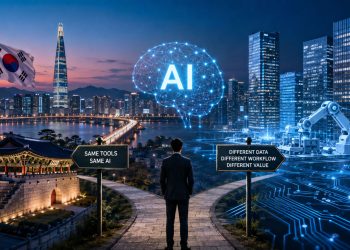
Whether domestic firms ultimately develop their own large-scale AI models or continue to rely on global platforms, the integration layer — where AI is connected to real business operations — is likely to remain a critical battleground in Korea’s evolving AI ecosystem.