

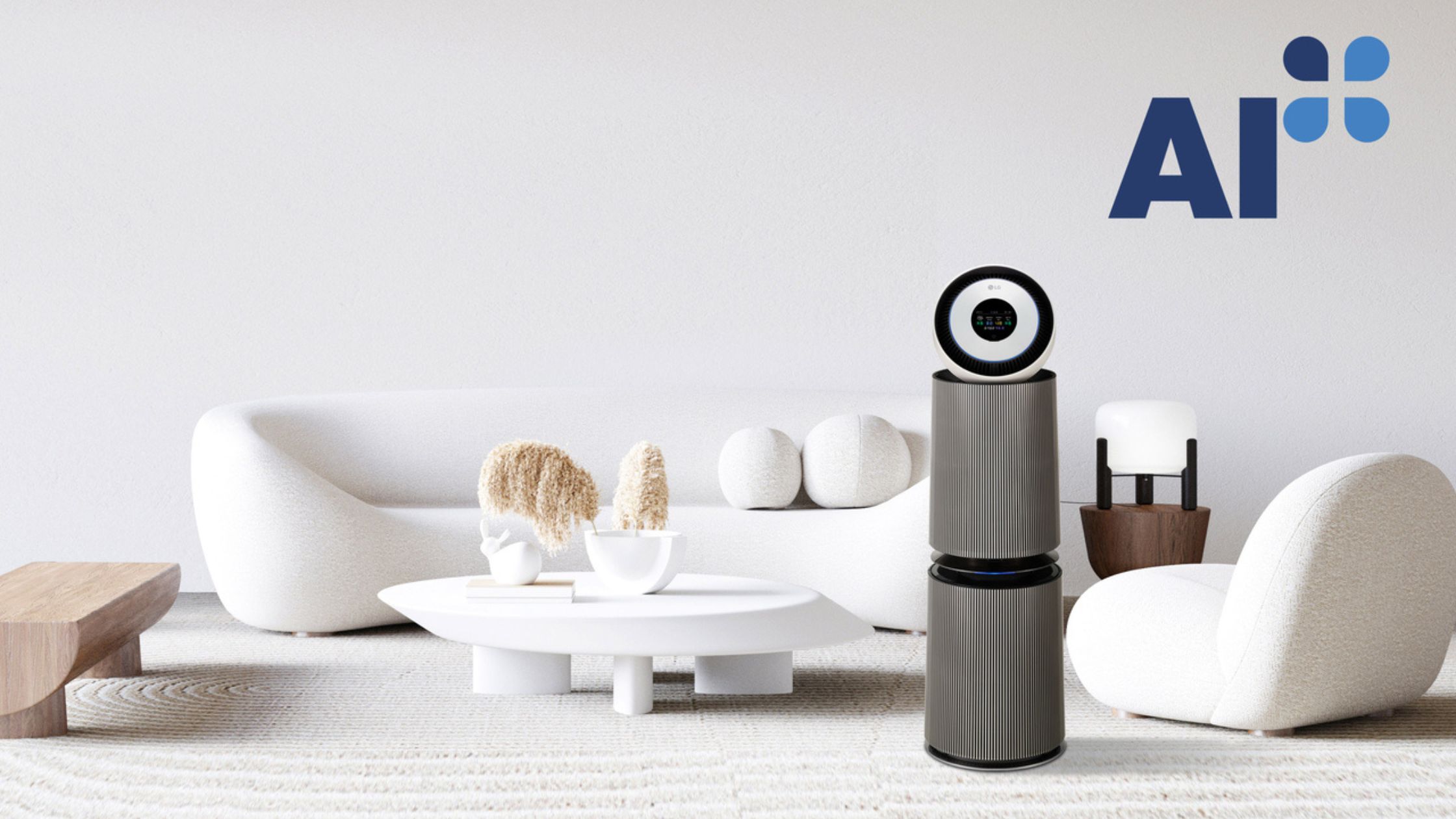
LG Electronics is joining hands with leading air quality experts to tackle the growing problem of indoor pollution, with a focus on developing advanced sensors and filtration technologies. The initiative is driven by LG’s Air Science Research Lab under its Electronics Solutions division. The company views traditional approaches to fine dust as no longer sufficient, as climate change and worsening air conditions introduce new health risks.
On August 20, LG hosted a symposium at Yonsei University’s Severance Building in Seoul in partnership with the Korean Society for Indoor Environment. The event examined the impact of pollutants, including ultrafine dust, volatile organic compounds (VOCs), microorganisms, and viruses, on human health, highlighting their connections to respiratory, skin, and neurological disorders. By collaborating with scientists, LG aims to raise awareness and develop next-generation solutions for cleaner and healthier indoor environments.
LG Electronics is intensifying its efforts to combat indoor pollution by collaborating with leading scientists and academics across various fields. At a recent symposium in Seoul, experts in environmental science, public health, and architecture highlighted the growing challenges of maintaining healthy indoor environments amid rising global temperatures and worsening outdoor air quality. The discussions emphasized that fine dust is no longer the only pressing issue—volatile organic compounds, microorganisms, and viruses also pose serious health risks.
Researchers pointed out that these pollutants are linked not only to respiratory conditions but also to skin and nervous system problems, particularly in sensitive environments such as daycare centers and public facilities. With indoor air quality expected to deteriorate further as climate change continues, experts stressed the need for innovative solutions tailored to different spaces and pollution sources.
LG Electronics said it plans to integrate these insights into the development of next-generation air management technologies. Since launching its Air Science Research Institute in 2018, the company has focused on advancing purification methods, including dust filtration, deodorization, and sterilization. These technologies are already in use across its product line, including PuriCare air purifiers, Whisen air conditioners, and Whisen dehumidifiers.
The company has also made significant progress with artificial intelligence. Earlier this year, LG introduced an AI-driven air quality sensor designed to detect harmful gases such as formaldehyde, ammonia, and cooking fumes. The sensor utilizes deep learning to detect pollution levels and automatically activate purification, with its performance verified by the Korea Standards Association.
Complementing this innovation is LG’s newly developed Puri Air M Filter. Built using advanced metal-organic frameworks, the filter improves gas absorption and delivers more than 40 percent better deodorization compared to the company’s earlier G filter. This advancement is particularly useful for tackling household odors, chemical fumes, and other gaseous pollutants that traditional filters often struggle to capture.
By combining academic research with in-house technology development, LG aims to accelerate solutions that address a wider range of indoor pollutants. The company believes that as air quality challenges evolve, air management systems must be capable of responding dynamically to different pollutants and living environments.
“We will continue to expand our research and partnerships to create smarter purifiers and ventilation systems that adapt to various pollution sources,” said Oh Se-gi, executive vice president and head of LG’s ES Lab. “Our goal is to build healthier, more comfortable indoor spaces for people everywhere.”
Image credits: LG Electronics