
Engagement reflects growing importance of memory, infrastructure, and partnerships in AI competition
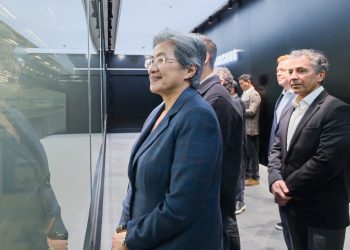
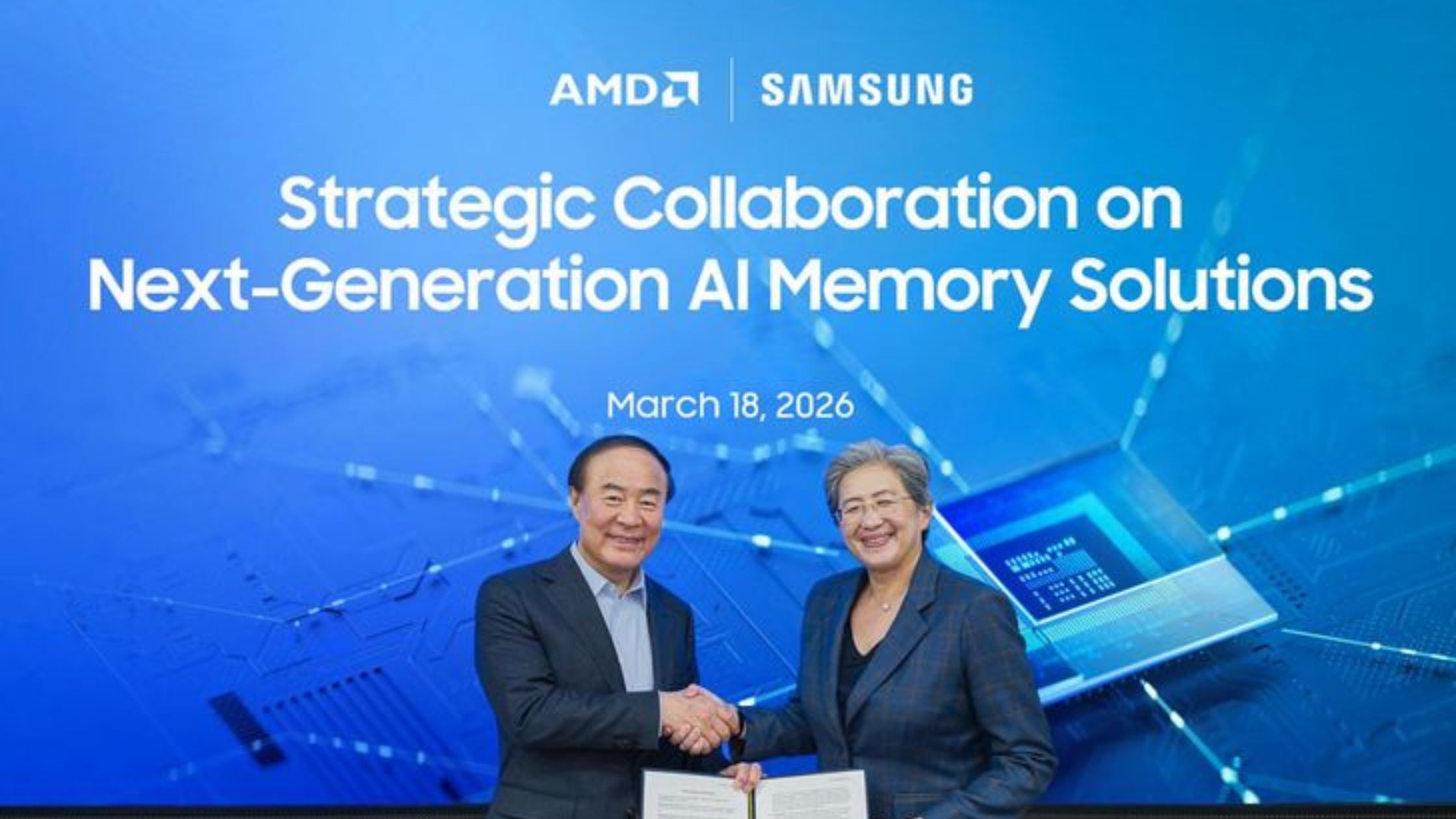
AMD is stepping up its engagement with South Korean companies as competition in artificial intelligence (AI) increasingly depends on access to supply chains and infrastructure. During her first official visit to the country, CEO Lisa Su met with Samsung Electronics and Naver, in what appears to be a move to strengthen relationships across key parts of the AI value chain.
While no major deal announcements were made, the meetings highlight how chipmakers are looking beyond design capabilities to secure partnerships in memory, manufacturing, and deployment. As demand for AI computing rises, these elements are becoming critical constraints in scaling AI systems.
Memory and manufacturing constraints come into focus
A central part of AMD’s engagement in Korea relates to Samsung Electronics, which plays a significant role in supplying high-bandwidth memory (HBM), a key component used in AI accelerators. As AI workloads grow more complex, memory bandwidth has become a limiting factor in system performance.
This has shifted attention toward companies like Samsung, whose ability to produce advanced memory at scale is increasingly tied to the pace of AI deployment. For chip designers such as AMD, securing reliable access to these components is becoming as important as improving chip architecture.
In addition to memory, Samsung’s foundry business offers potential diversification in manufacturing. Although AMD continues to rely primarily on Taiwan Semiconductor Manufacturing Company (TSMC), broader engagement with Samsung reflects an effort to reduce concentration risk in an environment where advanced production capacity remains limited.
Naver highlights the demand side of the AI ecosystem
AMD’s meeting with Naver points to another dimension of the AI landscape: deployment and infrastructure. Naver has been investing in its own large language models and data center capabilities, positioning itself as a key domestic platform provider.
For companies like AMD, partnerships with platform operators are important for driving real-world adoption of their hardware. Unlike traditional semiconductor markets, demand for AI chips is closely tied to how they are integrated into services such as cloud computing and generative AI applications.
At the same time, companies like Naver are under pressure to diversify their hardware suppliers. Nvidia’s dominant position in AI chips has created dependencies that some firms are now seeking to reduce, creating an opening for alternative providers such as AMD.
AI competition extends beyond chip performance
The visit reflects a broader shift in how competition in AI is unfolding. While performance metrics remain important, access to key inputs—such as memory, manufacturing capacity, and deployment platforms—is increasingly shaping competitive outcomes.
This creates a more complex landscape where no single company controls the full stack. Chip designers depend on suppliers for components, while also relying on platform companies to deploy and scale their technologies.
As a result, partnerships are becoming less about optional collaboration and more about securing critical parts of the ecosystem.
AMD’s efforts to deepen ties in Korea come as it continues to position itself against Nvidia, which maintains a strong lead in the AI chip market. Nvidia’s advantage is not limited to hardware performance; it also includes software ecosystems and long-standing relationships with major cloud providers.
For AMD, expanding partnerships may help increase its presence, but it does not fully address these structural advantages. Adoption will depend not only on hardware availability, but also on how well its solutions integrate into existing AI workflows.
This suggests that while supply chain alignment is necessary, it may not be sufficient on its own to shift market dynamics in the near term.
A signal of how AI strategies are evolving
The visit also underscores South Korea’s growing role in the global AI ecosystem. Samsung’s position in advanced memory production places it at a critical point in the supply chain, while companies like Naver represent emerging demand for AI infrastructure at the application level.
This combination gives Korea a dual role as both a supplier of key components and a developer of AI services. However, it also highlights the concentration of certain capabilities, particularly in memory, which could become a bottleneck as demand continues to rise.
AMD’s Korea visit does not, on its own, change the competitive landscape. However, it reflects how AI strategies are evolving from a focus on individual technologies to a broader emphasis on coordination across the value chain.
The meetings with Samsung and Naver suggest that securing access—to components, manufacturing, and deployment environments—is becoming a central part of that strategy. As AI systems scale, the ability to manage these dependencies may increasingly shape how companies compete.