
Dispute highlights limits of consumer mediation and rising legal risks around data protection
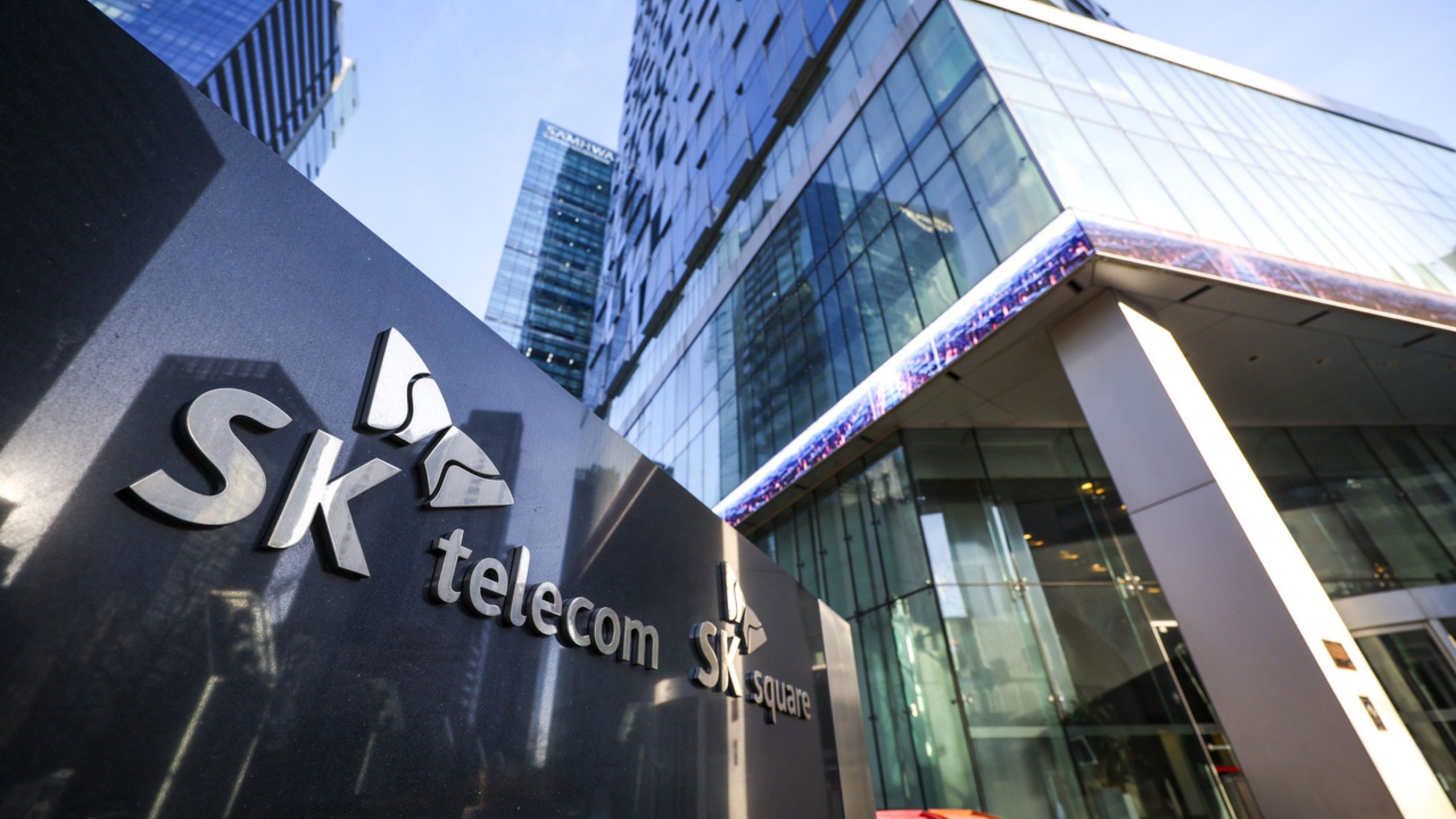
SK Telecom has rejected a mediation proposal recommending compensation of 100,000 won (about US$69) per person over a personal information leak, according to industry sources. The proposal was issued by the Consumer Dispute Mediation Committee under the Korea Consumer Agency following complaints from affected users.
The company submitted a written notice on Friday informing the committee of its decision not to accept the mediation. As a result, the process has been concluded without a settlement, leaving the group of applicants—estimated at around 50 to 60 consumers—to pursue individual or collective civil lawsuits if they wish to continue seeking compensation.
SK Telecom said it carefully reviewed the mediation decision but ultimately decided that accepting it would be difficult. In a statement, the company pointed to the voluntary compensation measures and security upgrades it has already implemented, as well as the wider implications of agreeing to the proposal.
“If the settlement were accepted, it could have considerable ripple effects,” the company said, adding that the recommendation could not be viewed in isolation from its broader customer base and existing response measures.
Potential compensation scale a key concern
A central issue for SK Telecom is the scope of potential liability. The company said accepting the 100,000 won-per-person compensation would likely require extending the same terms to other affected subscribers who did not participate in the mediation process.
Industry estimates suggest this could raise the total compensation burden to around 2.3 trillion won. SK Telecom said such a scenario would have a significant impact on its operations, a factor that weighed heavily in its decision to reject the proposal.
How the mediation process unfolded
The mediation stems from a group complaint filed in May last year by 58 consumers, who claimed their personal information was exposed in a hacking incident involving SK Telecom. In April, the Consumer Dispute Mediation Committee acknowledged that consumer damage had occurred.
At an earlier stage, the committee proposed a different form of relief, including:
- A 50,000 won discount on mobile service fees
- 50,000 reward points usable at partner merchants
The later proposal to provide 100,000 won per person in compensation was intended to resolve the dispute more comprehensively but required consent from both parties to take effect.
Under South Korea’s consumer dispute framework, mediation decisions are binding only if both the complainants and the company accept them. With SK Telecom’s refusal, the case has now been formally closed at the consumer agency level.
Subscribers seeking compensation must therefore turn to the courts, either through individual lawsuits or collective legal action. Legal experts note that this shift raises the time, cost, and uncertainty for both sides, while potentially setting precedents for future data breach disputes.
Regulatory pressure continues
Beyond consumer claims, SK Telecom is also facing regulatory scrutiny. The company has filed an administrative lawsuit challenging a 134.8 billion won fine imposed by the Personal Information Protection Commission, the largest penalty issued since the commission was established.
The fine followed a data breach that exposed personal information linked to universal subscriber identity module data, affecting a large portion of SK Telecom’s user base. SK Telecom has argued that it has already spent significant sums on compensation and system reforms, and said it will continue efforts to strengthen data protection and rebuild customer trust.
Taken together, the rejection of the mediation proposal underscores the growing tension between consumer protection mechanisms, corporate risk management, and stricter enforcement of data protection rules in South Korea’s telecom sector.