

New framework signals closer oversight of AI-based health services
Samsung Electronics said Friday that Samsung Health has received South Korea’s first certification under a newly introduced regulatory framework for digital health products. The approval was granted by the Ministry of Food and Drug Safety (MFDS) under its “Digital Medical and Health Support Device” system, marking a key step in formalizing oversight of AI-driven health technologies.
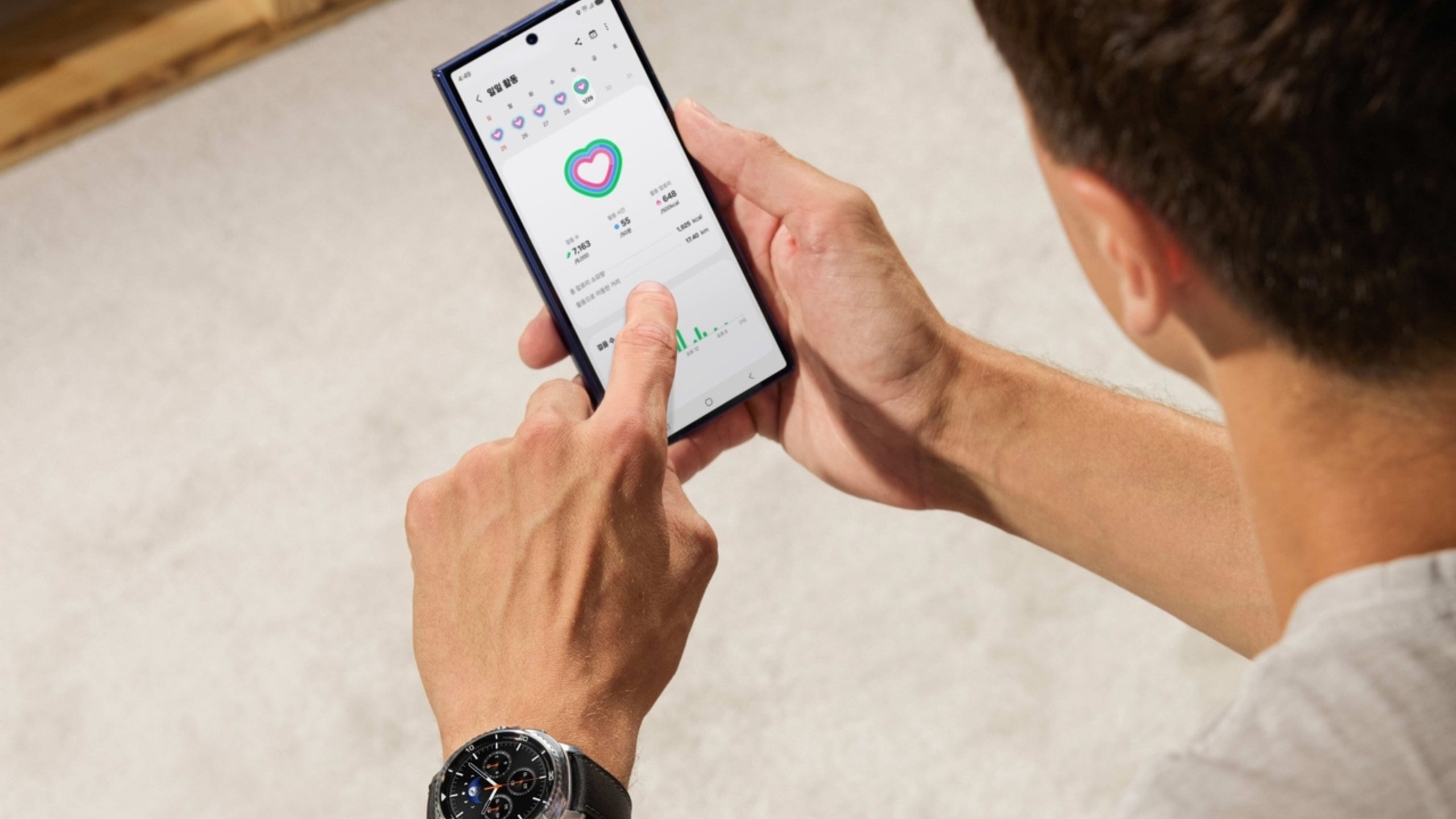
The certification applies to major health-tracking functions available through Samsung Health, including heart rate monitoring, blood oxygen measurement, and step counting. These features are used on Galaxy wearable devices such as the Galaxy Watch 8 series and are positioned as tools for daily health management rather than for diagnosing or treating medical conditions.
The designation follows the rollout of a voluntary reporting and performance certification system introduced by the MFDS in January, under the Digital Medical Products Act that took effect last year. The new system was designed to address a regulatory gap as digital health services increasingly rely on software and artificial intelligence rather than conventional medical devices.
Under the framework, digital products that support health management can be formally registered and evaluated, even if they do not fall under existing medical device classifications. This marks the first time South Korea has created an institutional pathway to assess and monitor AI-based health services at a national level.
Regulator cites need for clearer standards
The MFDS said the certification system is intended to improve transparency in the digital health market. By publicly disclosing verified product information, regulators aim to help consumers identify reliable services while reducing the risk of exaggerated or misleading health claims.
Policy analysts say the move reflects growing concern among regulators about the rapid expansion of AI-enabled wellness apps, many of which influence user behavior without being subject to clear standards or accountability.
Samsung Health has expanded over time from a basic fitness application into a broader wellness platform. It now tracks multiple indicators such as sleep patterns, physical activity, diet, and mental well-being, presenting them in a consolidated dashboard rather than as isolated data points.
When paired with Galaxy wearable devices, the platform enables continuous monitoring of key signals. Users can automatically track heart rate throughout the day and receive alerts when irregular patterns are detected, while blood oxygen levels can be measured during both daily activities and sleep.
Samsung positions service for preventive use
Samsung Electronics said the certified features are designed to support preventive health management by helping users recognize changes in their physical condition early. The company emphasized that AI-based analysis allows Samsung Health to provide personalized guidance based on long-term trends, rather than relying on single measurements.
“Through wearable devices that are becoming essential tools for health management, we will continue to drive innovation in preventive health care,” said Choi Jong-min, executive vice president of Samsung’s digital health team.
Potential impact on digital health regulation
Industry observers say Samsung Health’s certification could serve as a reference point for other digital health providers seeking regulatory clarity. As South Korea moves to balance innovation with consumer protection, the new framework may shape how AI-enabled health services are developed, marketed, and evaluated going forward.
The approval also signals a broader shift in health regulation, as authorities begin to treat software-based wellness platforms as systems requiring structured oversight rather than informal consumer tools.