
Move reflects broader shift toward open networks amid post-breach scrutiny
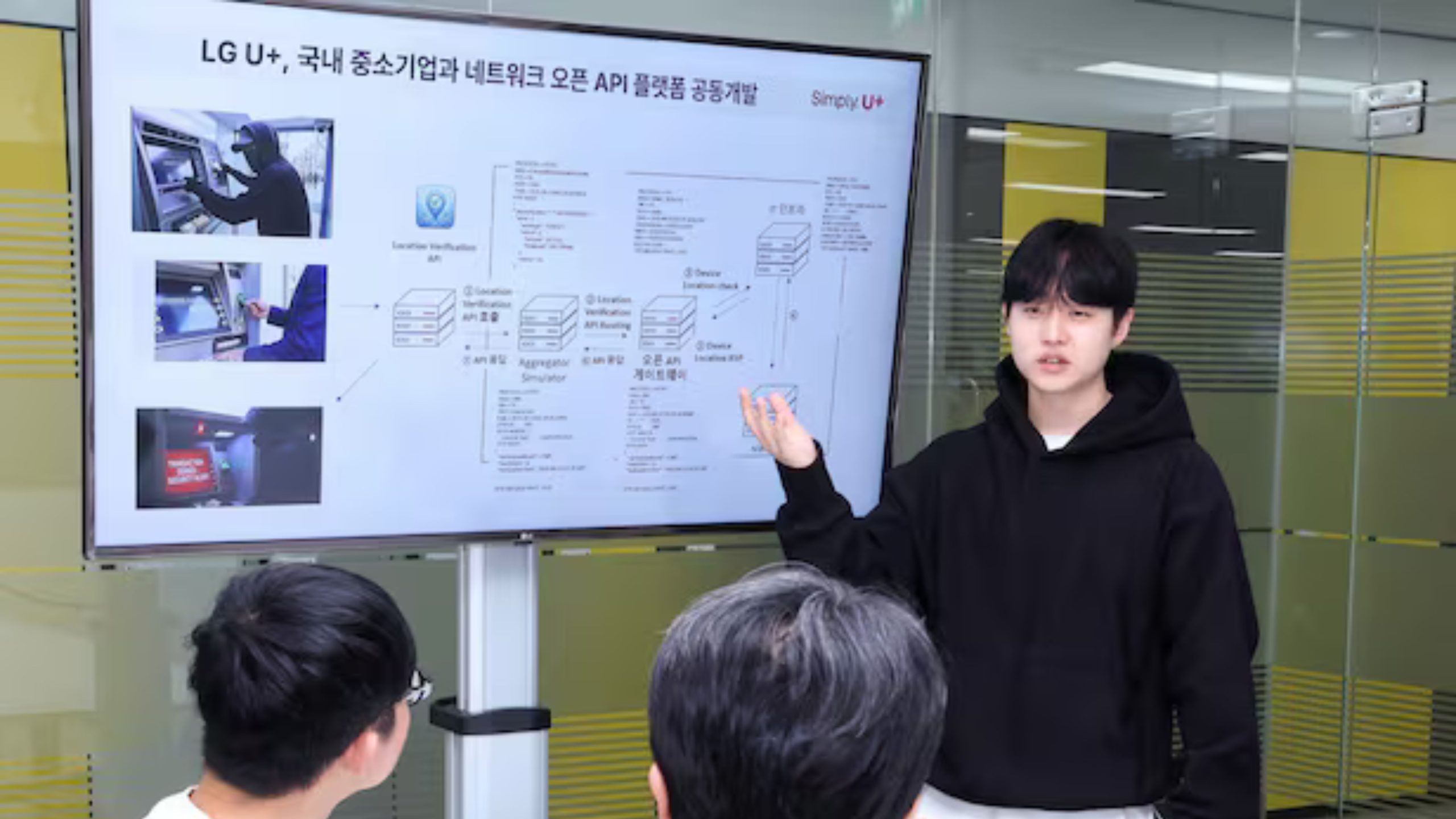
LG Uplus said on Jan. 20 that it has partnered with Ariatek to launch a network open API platform designed to strengthen security and improve quality on demand (QoD) across Korea’s telecommunications ecosystem. The platform, branded as an “Open API Gateway,” standardizes core network functions and allows external developers and enterprises to access them in API form.
The initiative comes as South Korea’s telecom sector faces heightened scrutiny following a series of hacking incidents, even as financial performance remains resilient. Analysts expect the country’s three major operators—SK Telecom, KT and LG Uplus—to post combined operating profits exceeding 4 trillion won (about US$2.7 billion) in 2025. Against this backdrop, LG Uplus framed the open API effort as part of a broader industry push to open network capabilities while maintaining tighter control over security and service quality.
What the open API platform does
The open API gateway serves as a single access layer through which third-party developers can integrate carrier-grade network functions that have already been validated by the operator. LG Uplus said this approach reduces the time and cost required to develop new services, compared with building similar functions independently or relying on fragmented integrations.
At launch, the platform focuses on two areas seen as critical after recent breaches:
- Security-related APIs, including device number authentication, SIM and device change history, location data, and device status information
- Quality on Demand (QoD), which allows applications to request enhanced network performance at specific moments when stability or low latency is required
Practical use cases, starting with finance
LG Uplus highlighted financial services as an early application area. Banks, for example, could verify a customer’s mobile location during ATM withdrawals to strengthen identity checks, or detect potential SIM cloning by confirming whether a device or USIM change occurred during authentication. Such functions are aimed at reducing fraud without requiring financial institutions to build their own telecom-grade verification systems.
Industry observers note that these use cases reflect a growing overlap between telecom infrastructure and digital trust services, as mobile networks become a core layer for identity and security verification.
Building on domestic standards
The platform builds on earlier industry-wide coordination. In 2024, LG Uplus worked with other domestic carriers to develop standardized network open APIs, and, together with the Telecommunications Technology Association, helped establish local standards intended to improve interoperability and adoption.
By aligning the platform with domestic standards, LG Uplus aims to avoid fragmented implementations that could limit scale or discourage developer uptake.
Partnership model and executive views
LG Uplus said the collaboration with Ariatek reflects a strategy of expanding the telecom ecosystem through partnerships with domestic technology firms. Lee Sang-heon, head of advanced development at LG Uplus, said the platform creates a foundation for new services that combine security, data quality and network intelligence.
“Through this network open API platform, we have laid the groundwork for developing innovative services that can deliver new customer value,” Lee said, adding that the company will continue investing in core network technologies needed by enterprise and public-sector users.
Ariatek chief executive Go Hong-gi said the project demonstrated how the company’s technology could be commercialized within a standardized API environment, and that cooperation with LG Uplus would continue as the market evolves.
Broader industry implications
The launch comes as Korea’s telecom operators look beyond traditional connectivity for growth, turning to AI-based services, enterprise solutions and data centers. While near-term earnings may still reflect one-off costs tied to cybersecurity responses and customer compensation, analysts say structural initiatives such as network open APIs point to a longer-term shift.
By opening parts of their networks to third parties in a controlled way, telecom operators are seeking to position themselves as platforms rather than closed infrastructure providers—balancing openness with tighter security and service guarantees in an environment where trust has become a competitive factor.