
Smart Cottage rollout reflects changing lifestyles and growing interest in modular construction
LG Electronics has launched a year-round residential experience for its modular housing concept, LG Smart Cottage, moving beyond temporary showcases to test the model in everyday living conditions. The company said the units, located at the newly opened Juksan Morak cultural complex in Gimje, North Jeolla Province, are now available for overnight stays by the public.
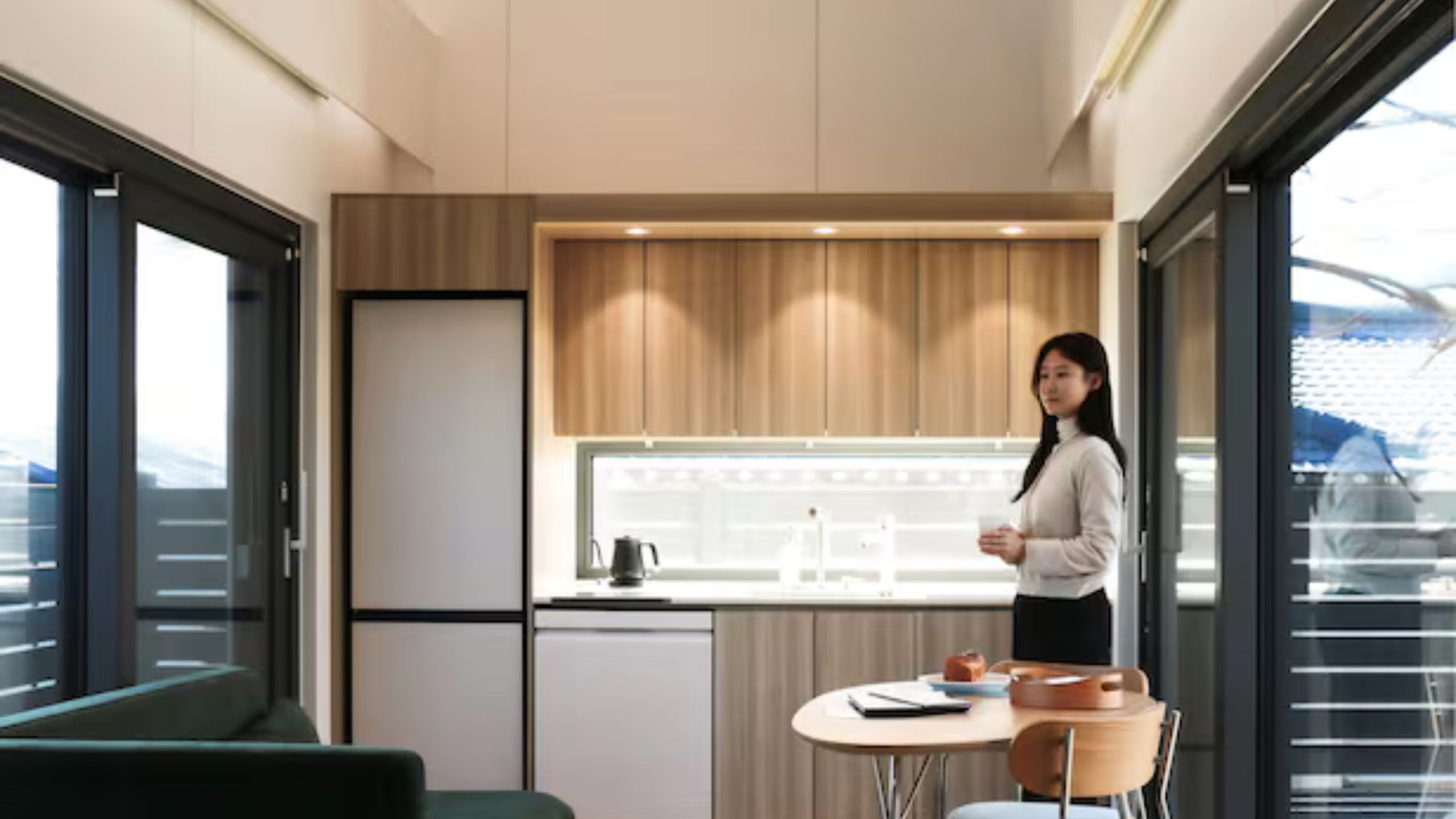
Developed with the local youth-led Ohu Cooperative, the site marks the first time LG’s modular homes are being operated as year-round accommodation rather than pop-up showrooms. LG said the move is intended to demonstrate how its AI-enabled appliances and integrated heating and cooling systems perform in everyday living environments.
LG is positioning the Smart Cottage around evolving lifestyle patterns, including remote and hybrid work, “workation” travel, and part-time rural living. By allowing guests to stay overnight, the company is testing how modular housing fits into daily routines rather than one-off demonstrations.
At Juksan Morak, guests use the Smart Cottage units as their primary lodging while taking part in cultural programs linked to nearby businesses. These include activities such as brewing and baking workshops, designed to connect visitors with the local community and the surrounding Gimje plains.
A market moving toward modular construction
The timing of the launch reflects broader shifts in South Korea’s construction sector. Industry estimates project the country’s modular construction market will grow to 4.4 trillion won (about US$3.3 billion) by 2030, driven by labor shortages, rising construction costs, and demand for faster project delivery.
LG sees the Smart Cottage as a way to move beyond concept housing and explore practical use cases, particularly in areas such as short-stay accommodation, leisure facilities, and small-scale residential developments.
Layouts and integrated smart systems
The Juksan Morak site includes four Smart Cottage units:
- Two single-story Mono models, with living, sleeping, kitchen, and bathroom spaces on one floor
- Two duplex-style Duo models, with shared living areas on the first floor and bedrooms upstairs
All units are fitted with AI-enabled appliances from LG, including refrigerators, induction cooktops, dishwashers, WashTower laundry systems, lightwave ovens, and the StanbyME smart display. Appliances, lighting, and climate controls are managed through LG’s ThinQ platform, allowing centralized digital control.
LG said this setup is particularly relevant for business operators managing multiple units, as it can simplify monitoring, reduce maintenance requirements, and improve oversight of energy use.
Energy performance as a differentiator
Energy efficiency is another area LG is emphasizing. One model, the Mono Plus 26, achieved an energy self-sufficiency rate of more than 120 percent and became the first prefabricated building in Korea to receive the highest Zero Energy Building Plus certification from the Korea Energy Agency.
The company said the rating reflects the use of all-electric systems, rooftop solar power, and high-efficiency heating and cooling technologies.
Balancing consumer and B2B demand
While individual consumers are one target audience, LG is also positioning the Smart Cottage for business use in tourism and leisure projects that require fast deployment and predictable construction timelines.
“LG Smart Cottage offers a comfortable, home-like modular living experience,” said Cho Yeon-woo, head of LG’s Smart Cottage business. “It is designed not only for individual customers, but also for businesses preparing leisure and tourism projects.”
As modular construction gains traction, LG’s live-in experiment at Juksan Morak offers a clearer view of how technology-driven housing concepts could move from demonstration sites into everyday use.