
How a telecom-led pilot reflects a broader shift toward data-driven biodiversity monitoring
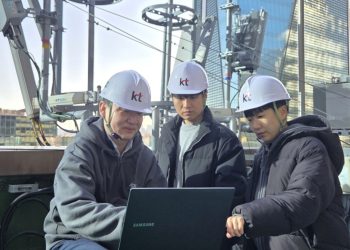
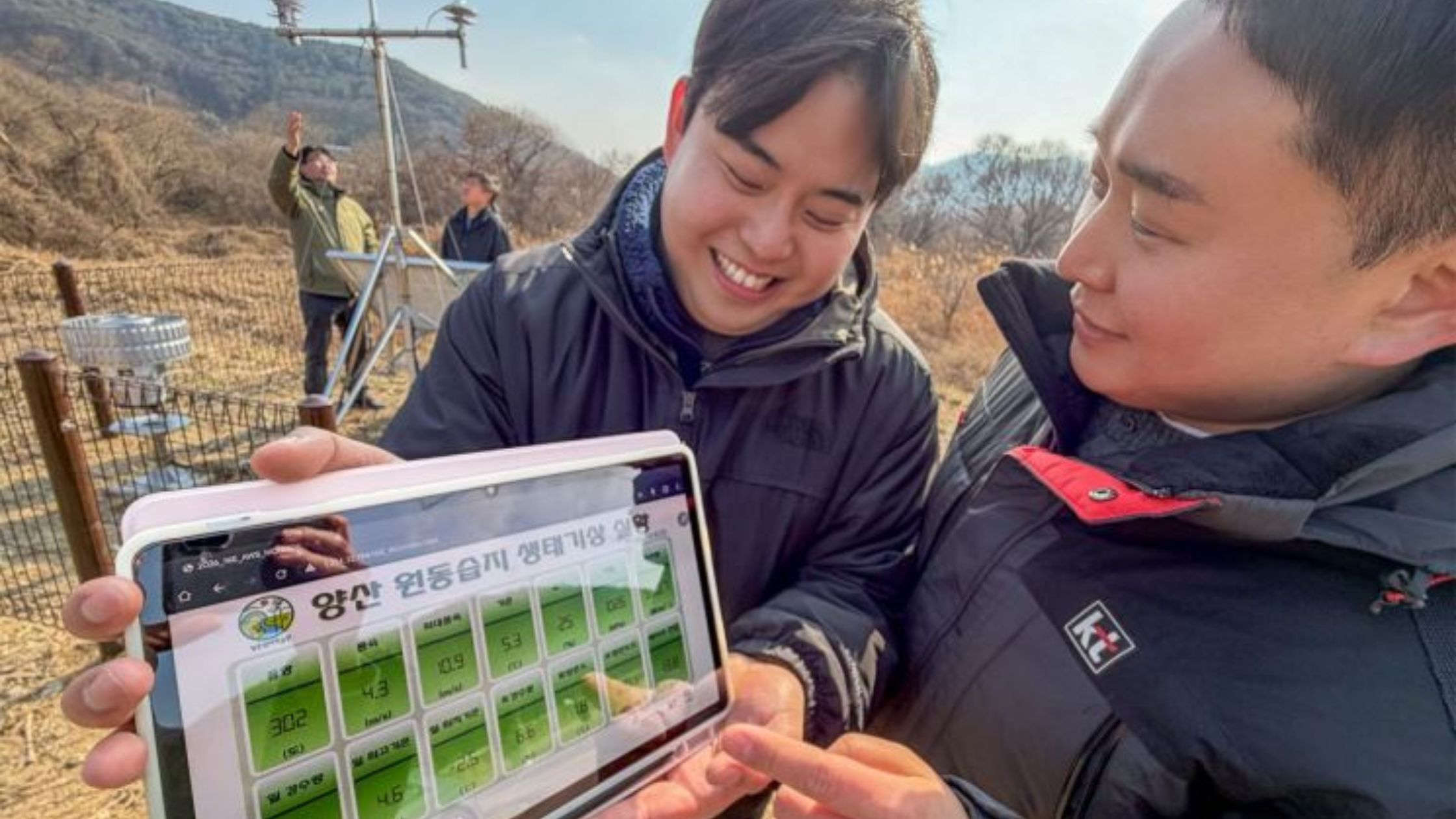
South Korea’s KT Corp has installed an automated weather observation system at Wondong Wetland, applying its Internet of Things (IoT) communication technology to a wetland environment for the first time. The deployment is aimed at supporting long-term ecological research by the National Institute of Ecology, at a time when climate change is accelerating biodiversity loss across sensitive ecosystems.
The installation moves beyond a one-off technology trial. It is part of a cooperation agreement signed in August last year, under which KT and the institute agreed to use digital infrastructure to improve environmental monitoring. The focus is on building consistent datasets that can support scientific analysis, rather than short pilot projects that offer limited insight into gradual ecological change.
At the centre of the initiative is a solar-powered automatic weather station designed for low-energy, long-distance communication. This design allows the system to operate continuously in wetlands, where access to power and physical infrastructure is restricted. The station measures core climate indicators—temperature, precipitation, and humidity—and transmits the data in real time.
For the ecology institute, the value lies less in individual readings and more in the accumulation of long-term data. Continuous observation enables researchers to track subtle shifts in wetland conditions and link them to broader climate trends, supporting more accurate analysis of ecosystem stress and biodiversity change.
Why long-term monitoring matters
Wetlands are among the ecosystems most vulnerable to climate variation, but changes often occur gradually and are difficult to capture through periodic surveys alone. According to KT, the data gathered from the site will be used to analyze ecological changes over time and inform wetland biodiversity research. This approach reflects a growing emphasis on persistent, technology-enabled monitoring as a foundation for conservation policy and field action.
KT said the project will expand beyond data collection through cooperation with the ecology institute and Yangsan City. Planned activities include removing invasive species and improving habitats for protected wildlife in and around the wetland. These efforts are intended to link digital monitoring with on-the-ground conservation work, rather than treating technology as a standalone solution.
Positioning technology within ESG strategy
Oh Tae-sung, senior vice president and head of ESG management at KT, said the company plans to continue expanding its response to climate change and biodiversity loss through partnerships with specialized institutions, using digital technology as a supporting tool rather than an end in itself.
The announcement coincided with World Wetlands Day, which commemorates the 1971 Ramsar Convention on wetland protection. While symbolic, the timing also highlights how corporate technology providers in South Korea are increasingly positioning environmental data and infrastructure as part of their long-term sustainability and ESG strategies, rather than short-term public initiatives.