
EMU-370 moves Korea into second place globally, though full-speed operation will take time
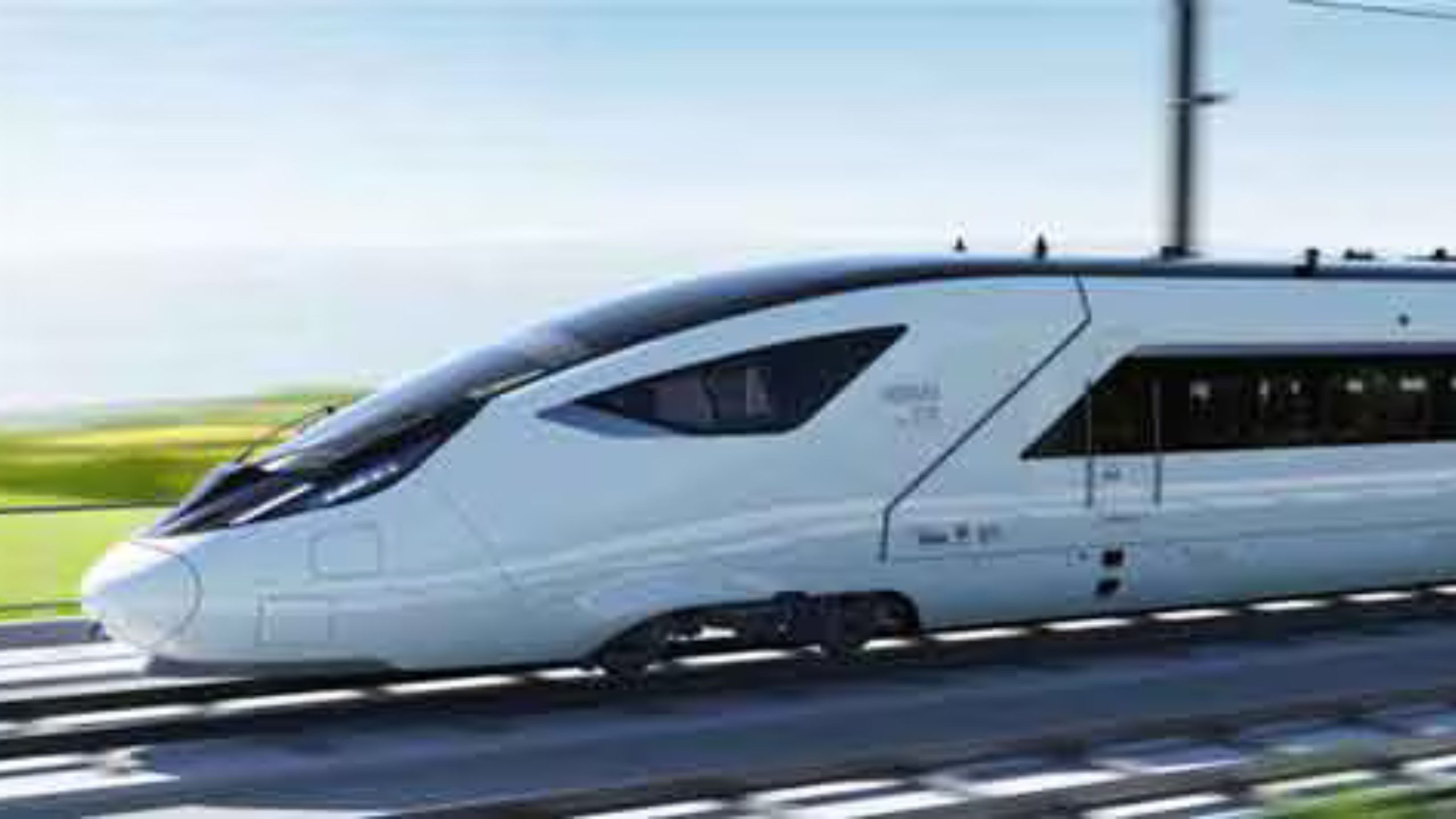
South Korea has completed the development of core technologies for a next-generation high-speed train designed for commercial operation at 370 kilometers per hour, placing the country second globally in operating speed behind China. The Ministry of Land, Infrastructure and Transport said the project was carried out under a national research and development program and produced a train with a maximum technical design speed of 407 km/h.
The train, known as EMU-370, is expected to begin operating on the Pyeongtaek–Osong section in 2030. Manufacturing is scheduled to start in 2026, followed by test runs, with full commercial service targeted for 2031. Once deployed, it is expected to reduce travel time between Seoul and Busan from about two hours and 30 minutes to roughly one hour and 53 minutes.
Development Timeline and Investment
The project was led by the Korea Railroad Research Institute and involved seven public and private institutions, including Hyundai Rotem. According to the ministry, development ran from April 2022 to December 2025 with total investment of 22.5 billion won, funded jointly by the government and the private sector.
Officials described the completion as a milestone, coming roughly two decades after South Korea introduced high-speed rail services.
How EMU-370 Ranks Globally
With a planned operating speed of 370 km/h, EMU-370 places South Korea ahead of other major rail markets, though China remains the leader.
- China: CR450 under testing for 400 km/h commercial service, planned for 2027
- South Korea: EMU-370 targeting 370 km/h operation
- France, Germany, Japan: Commercial speeds typically around 320 km/h
A researcher at the Korea Railroad Research Institute said that while other countries are also developing faster trains, “their progress has been slower, giving Korea a competitive edge in this segment.”
Key Technologies Behind the Speed Increase
The ministry said the performance gains are driven mainly by advances in propulsion and aerodynamics.
- A newly developed high-speed traction motor delivers 560 kW of output, a 47.4% increase over the motor used in the existing KTX-Cheongryong
- Despite the higher output, motor weight increased by less than 20% due to miniaturization and higher-density component design
- Aerodynamic resistance was reduced by more than 12% through a smoother front-end design and by embedding rooftop equipment such as air-conditioning units
Ride Comfort and Safety Improvements
Beyond speed, engineers focused on stability and passenger comfort. Changes to the suspension system, including air springs and improved dampers, reduced vibration levels by more than 30%. Interior noise was lowered to between 68 and 73 decibels, quieter than many overseas high-speed trains, according to the ministry.
New safety and performance standards were also established, covering braking, propulsion, signaling, and car-body systems, reflecting the higher risks associated with ultra-high-speed operation.
Infrastructure Constraints Remain
Despite the technical progress, EMU-370 will not immediately operate at full speed across the entire network. Some rail sections still rely on ballast tracks, which are less suitable for speeds above 350 km/h. These will need to be upgraded to concrete tracks.
Officials said the work will be challenging because upgrades must be carried out during limited overnight windows without interrupting daytime train services.
Next Steps and Export Ambitions
The ministry plans to order an initial batch of 16 train cars in the first half of next year, with manufacturing starting soon after. A ministry official said, “We expect the global market for high-speed rail exceeding 350 kilometers per hour to expand, and we aim to contribute to overseas projects through our technological competitiveness.”
The government added that it will continue research into next-generation rail systems, with a longer-term goal of achieving commercial operation at speeds of 400 km/h.