
Global media reaction highlights growing confidence in humanoid robotics beyond the lab
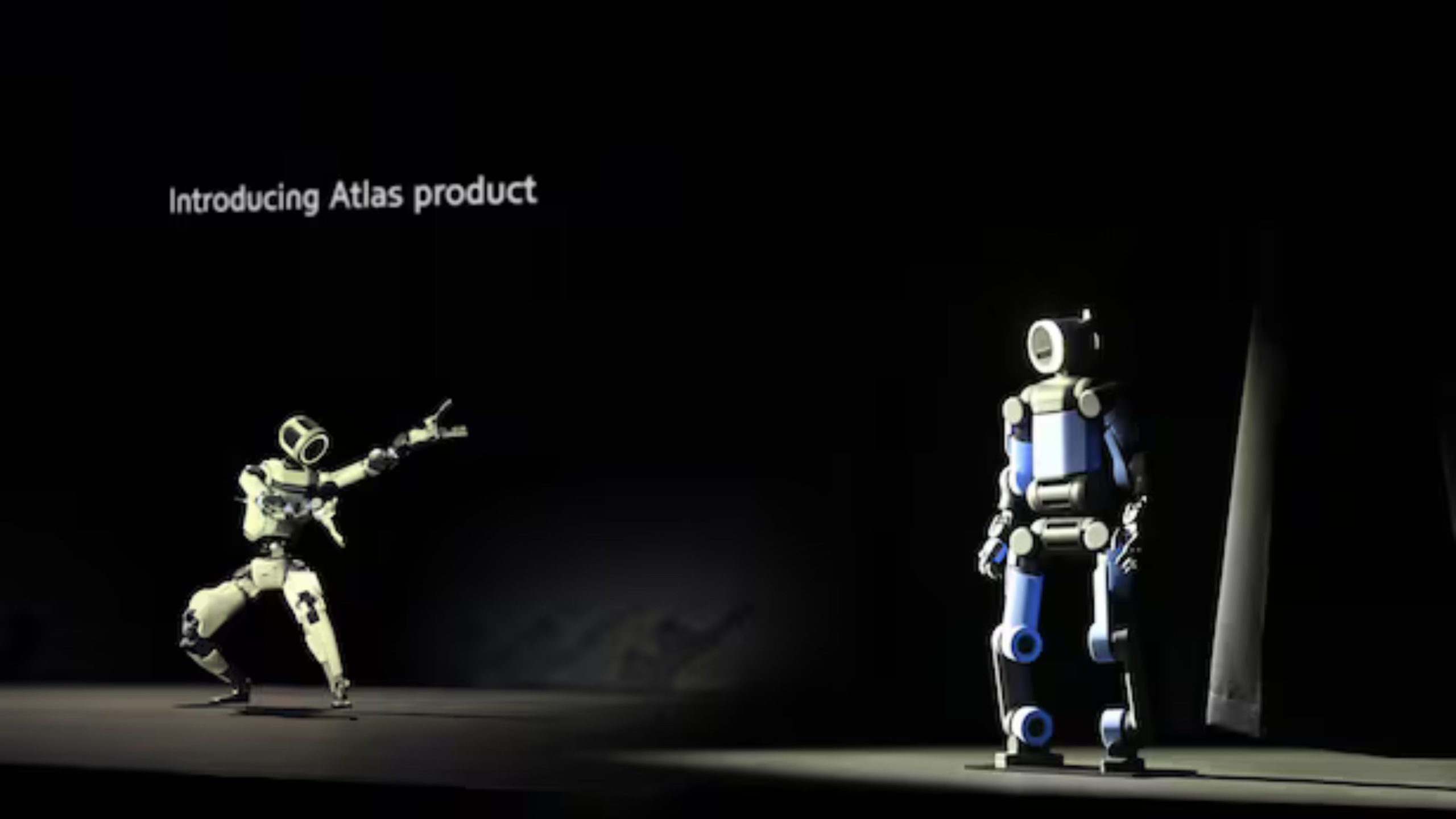
Hyundai Motor Group drew wide international attention at CES 2026 after publicly unveiling Atlas, a humanoid robot developed by its robotics subsidiary Boston Dynamics. The demonstration marked the first time Hyundai presented the next-generation Atlas live to a global audience, underscoring the group’s efforts to redefine itself beyond a traditional automaker and toward a company centered on physical artificial intelligence.
Atlas’s reception was reinforced when it was named “Best Robot” at CES 2026 by global technology outlet CNET. International coverage described Atlas as one of the most advanced humanoid robots shown publicly to date, reflecting growing recognition of Hyundai’s expanding role in robotics and embodied AI systems.
Why the public demonstration mattered
A key theme across media coverage was the decision to conduct a live demonstration. Associated Press described the unveiling as a meaningful escalation in the race to develop humanoid robots capable of performing human labor, noting that even leading robotics companies rarely showcase humanoids publicly due to the high risk of visible failure.
AP highlighted that Atlas completed its demonstration without noticeable errors, a point analysts said signaled increasing confidence in the platform’s reliability. The smooth execution helped distinguish Atlas from earlier humanoid systems that were typically presented in controlled or heavily edited environments.
Technical maturity moves into focus
British daily The Guardian focused on Atlas’s technical completeness, pointing to features such as waterproofing and an automated battery replacement system. The paper described 2026 as a potential inflection point, suggesting that Atlas is transitioning from a long-tested prototype into a more refined and deployable system.
Euronews echoed that assessment, reporting that the demonstration showed Atlas was no longer experimental. The broadcaster added that the robot could support human workers by reducing physical strain, laying groundwork for practical human-robot collaboration in industrial environments.
A broader strategic shift at Hyundai
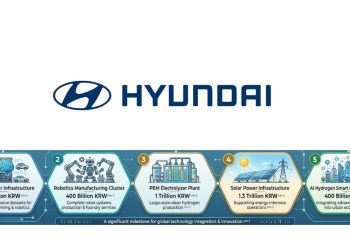
Automotive and technology publications framed Atlas as part of a wider change in Hyundai’s priorities. U.S. automotive outlet AutoWeek wrote that Hyundai’s next phase of innovation is centered on robotics rather than vehicles, highlighting plans to integrate Boston Dynamics robots into the group’s global manufacturing operations and to deepen collaboration with AI partners.
From this perspective, Atlas is not positioned as a standalone showcase, but as a core component of Hyundai’s longer-term industrial automation and physical AI strategy.
Competition and positioning in humanoid robotics
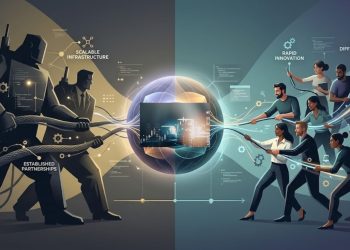
Technology media also placed Atlas within a rapidly intensifying competitive landscape. TechRadar described Atlas as among the most advanced humanoid robots currently demonstrated, while The Verge compared it directly with Tesla’s humanoid robot Optimus.
The Verge noted Hyundai’s view that robots will play a growing role in factory operations, adding that Atlas was positioned to demonstrate stronger task performance and stability relative to emerging competitors.
Beyond technology: ecosystem and commercialization
Japanese robotics publication Robot Start took a longer-term view, suggesting that the ecosystem Hyundai aims to build around Atlas could enable both mass production and wider social adoption of AI-powered robots. The publication argued that Hyundai’s CES 2026 vision pointed not only to technical leadership, but also to ambitions in commercial deployment.
Taken together, the reaction to Atlas suggests that Hyundai is being evaluated less as an automaker experimenting with robotics, and more as a company seeking to establish credibility in physical AI systems that operate in real-world environments. Whether Atlas moves from demonstration to scaled deployment will determine how far that repositioning ultimately goes—but CES 2026 marked a clear step in that direction.