
The collaboration spans semiconductors, data centres, ship-building and cloud services — underscoring Korea’s ambition to become a top-tier AI hub
Samsung Electronics, OpenAI and three affiliated Samsung units — Samsung SDS, Samsung C&T Corporation and Samsung Heavy Industries Co., Ltd. — have signed a letter of intent (LOI) to jointly accelerate next-generation communications and computing infrastructure. The scope includes semiconductors, cloud, data centres — even floating platforms — positioning the alliance as a major move in shaping future AI ecosystems.
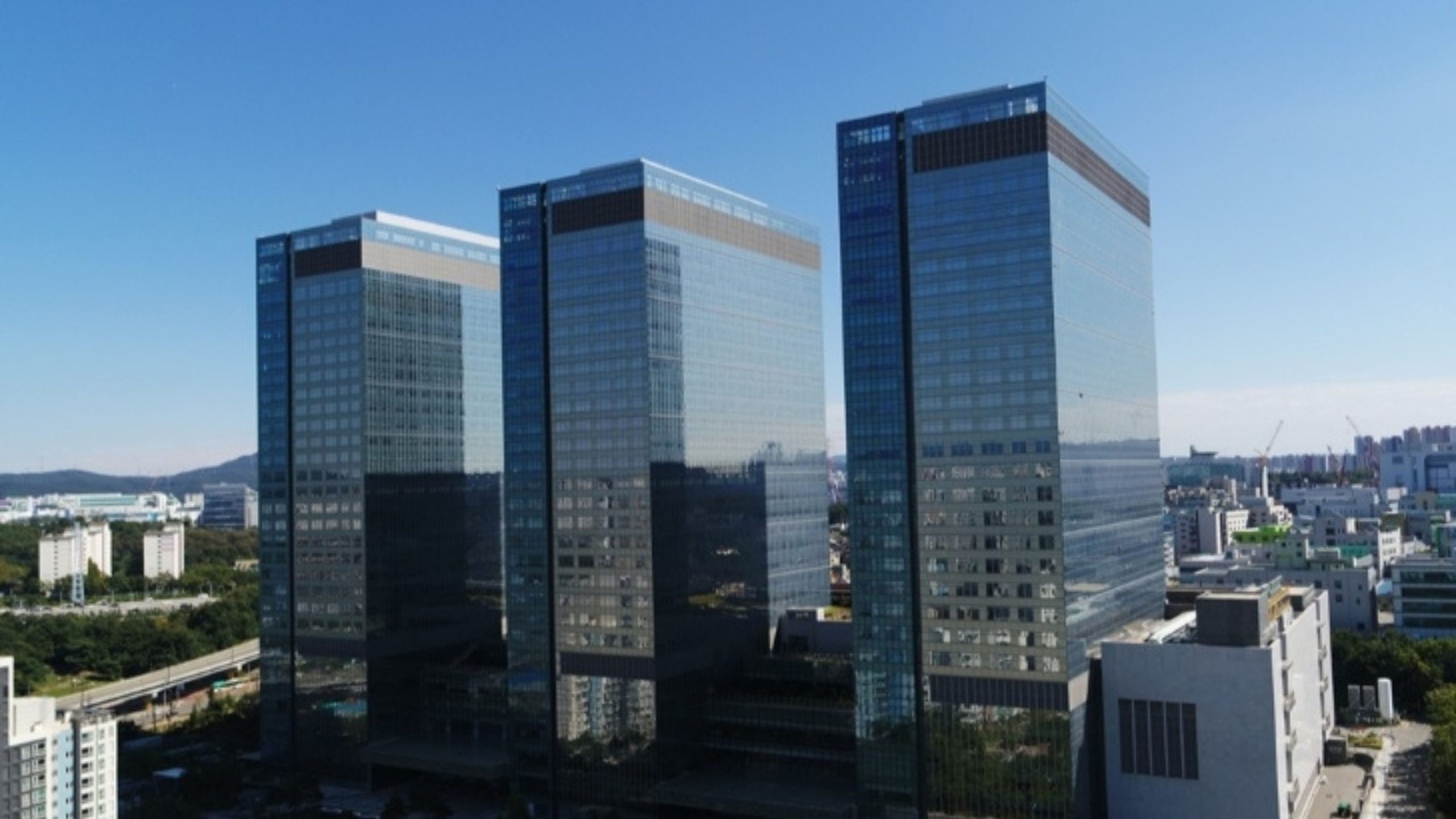
The signing ceremony, held at Samsung’s Seoul headquarters, was attended by senior executives including Young Hyun Jun (Vice Chairman & CEO of Samsung Electronics), Sung‑an Choi (Vice Chairman & CEO, Samsung Heavy Industries), Sechul Oh (President & CEO, Samsung C&T) and Junehee Lee (President & CEO, Samsung SDS). This signals how seriously Samsung is taking the partnership with OpenAI.
Four Focus Areas: From Chips to Floating Data Centres
The collaboration is organised around four strategic pillars:
- 6G next-generation comms
- AI for RAN (radio access network) and AI-RAN innovation
- Large Telecom Model (LTM) development
- AI and RAN integration
By combining Samsung’s semiconductor, packaging and foundry capabilities with OpenAI’s growing AI demands, the partnership aims to deliver infrastructure that supports both training and inference, for global networks.
Samsung Electronics will supply high-performance DRAM wafers — reportedly up to 900,000 per month — to support OpenAI’s global “Stargate” initiative. In its statement, Samsung underscored that its expertise in memory, logic, heterogeneous integration and packaging gives it an important role in end-to-end AI workflows.
Data Centres on Land and Sea
A significant and somewhat unconventional element of the alliance is the exploration of floating data centres. Samsung C&T and Samsung Heavy Industries will work with OpenAI to develop offshore platforms, potentially integrating floating power plants and control centres. These marine-based data centres promise advantages in land-scarce regions and in cooling efficiency — though they also pose technical, regulatory and environmental hurdles.
Meanwhile Samsung SDS will focus on designing, deploying and managing AI-driven data centres onshore, and act as a reseller for OpenAI’s enterprise offerings in Korea. This means Korean enterprises will gain earlier access to advanced AI infrastructure and services — helping local firms integrate models like ChatGPT Enterprise into internal systems.
Strategic Implications for Korea and the Global AI Race
This partnership comes at a time when countries are vying for leadership in AI infrastructure. Korea’s ambition is clear: leveraging its semiconductor and ship-building strengths to become one of the top three AI nations globally. By aligning with OpenAI, Samsung is anchoring itself at the heart of that ambition.
For OpenAI, the co-operation offers access to specialised high-end components, system integration tools and a well-developed industrial ecosystem. For KoreaTechToday readers, this signals a shift: AI isn’t just software and models — it’s hardware, networks, systems and global logistics.
Challenges Ahead and What to Watch
While the partnership is ambitious, several challenges remain:
- Supply chain and wafer production: Meeting demands of ~900,000 DRAM wafers per month is no small feat.
- Standardisation and interoperability: AI infrastructure spans hardware, software, networks and operational frameworks — aligning all will take concerted effort.
- Regulatory, environmental and maritime issues: Floating data centres raise questions of jurisdiction, energy sourcing and ocean impact.
- Business and deployment models: Transforming prototypes and LOIs into profitable, scalable services will test execution.
In short, the intent is bold — but execution will determine whether this leads to actual infrastructure shifts or remains a headline initiative.
The Road Forward
As part of its roadmap, Samsung plans to fully deploy ChatGPT-style AI internally, start floating platform R&D, and bolster Korean firms’ access to enterprise AI services. For OpenAI, the push into hardware and infrastructure signals maturing strategy beyond pure model development.
If successful, this collaboration could accelerate a new wave of AI infrastructure — one where Korea’s industrial capacity meets global AI demand. For technology watchers, it means the next frontier of AI may not just be about algorithms or data, but also ships, servers, systems and supply chains. And Korea may be placing a bet that it can win it.